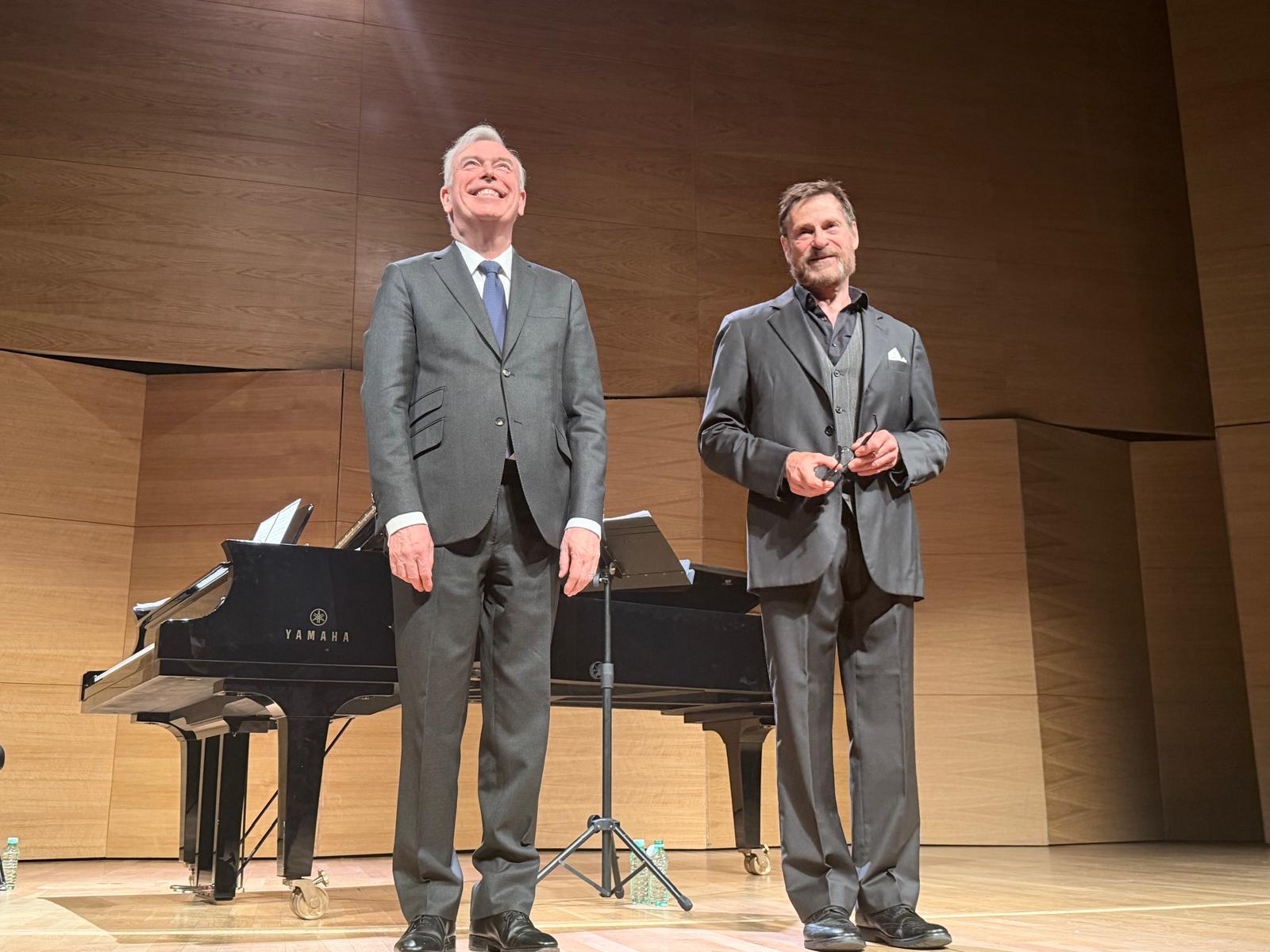
Espacio Turina, Seville, Spain
|
16 May 2026 |
8:00 pm
8:00 pm
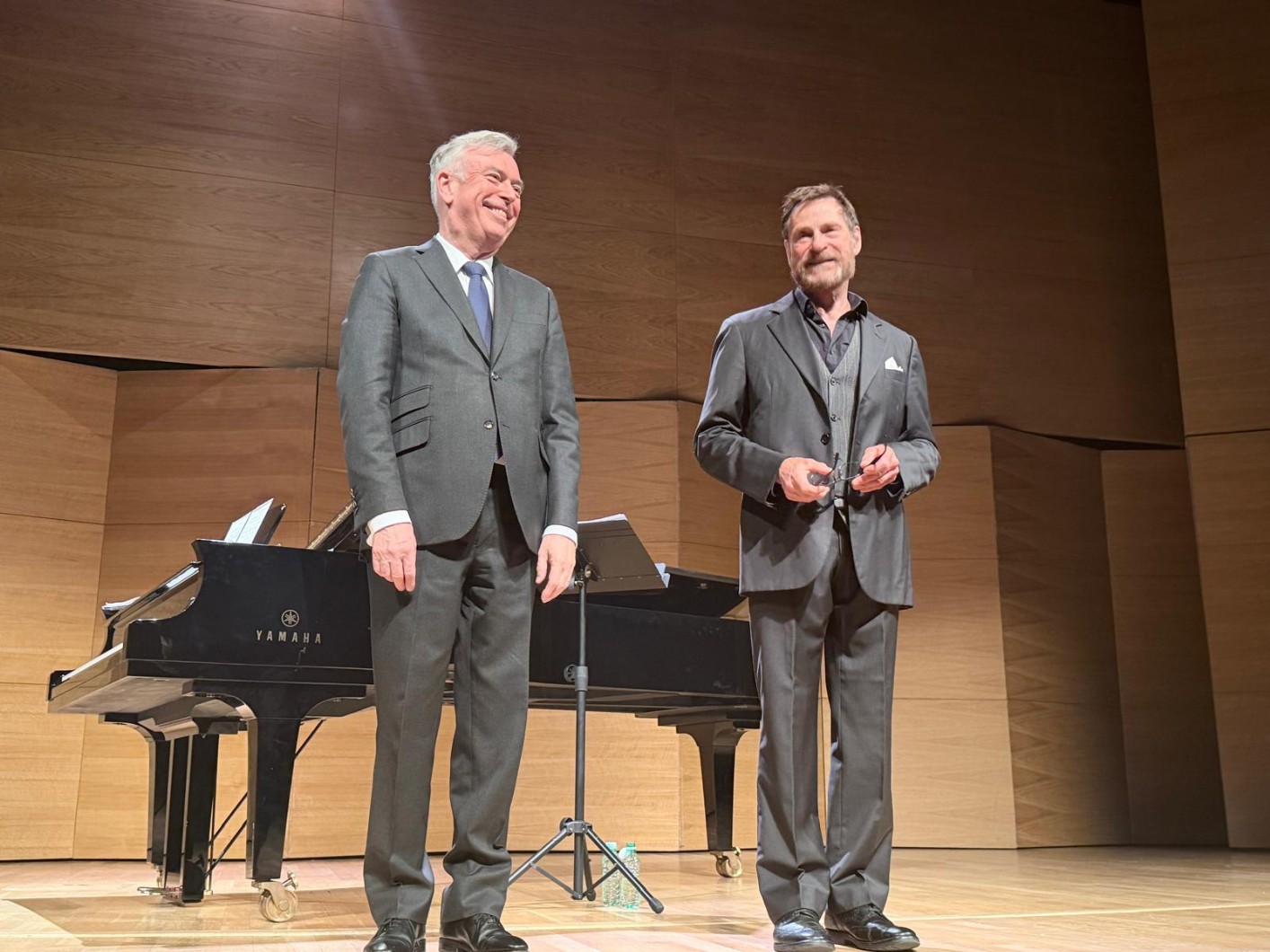
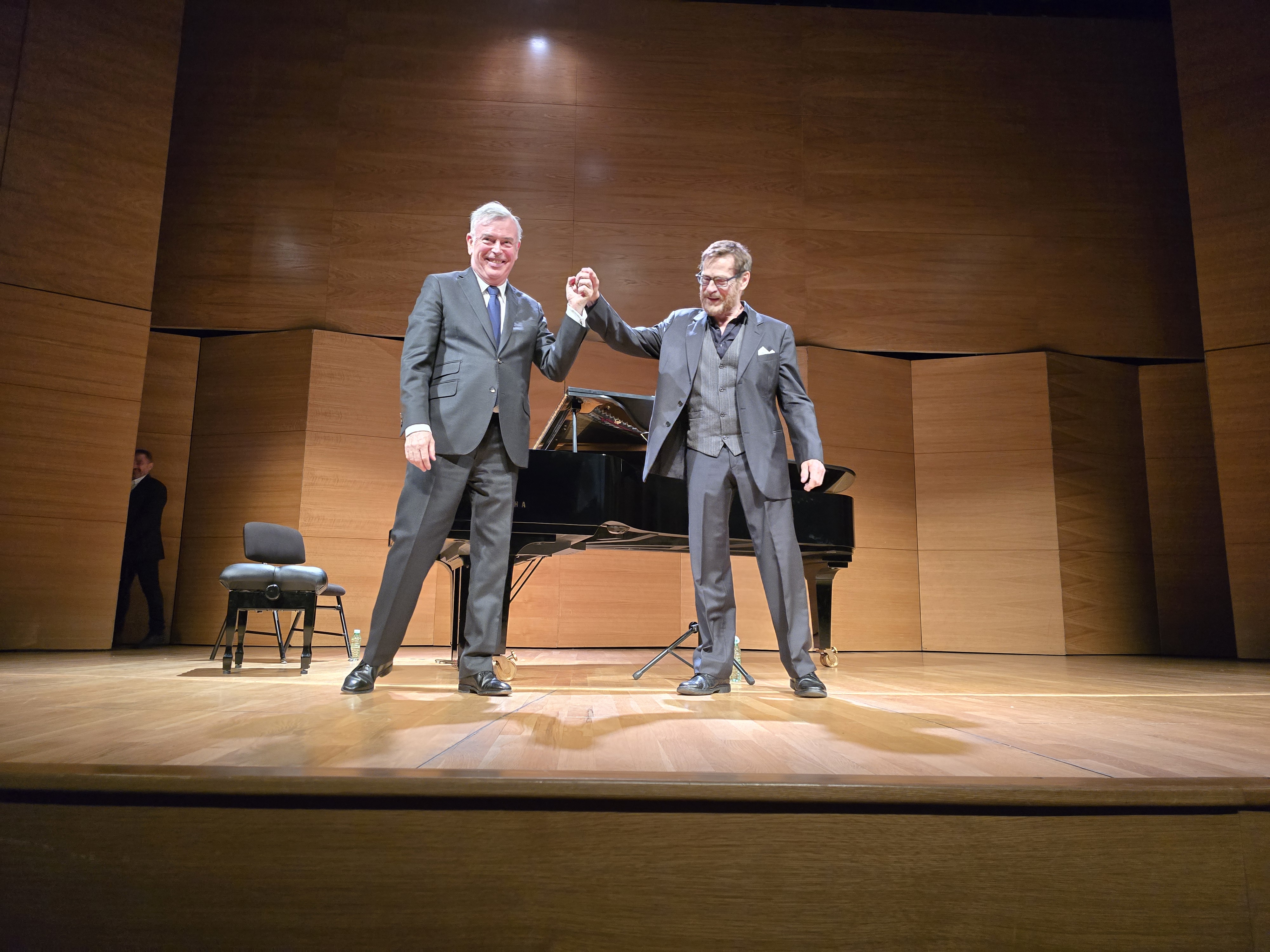
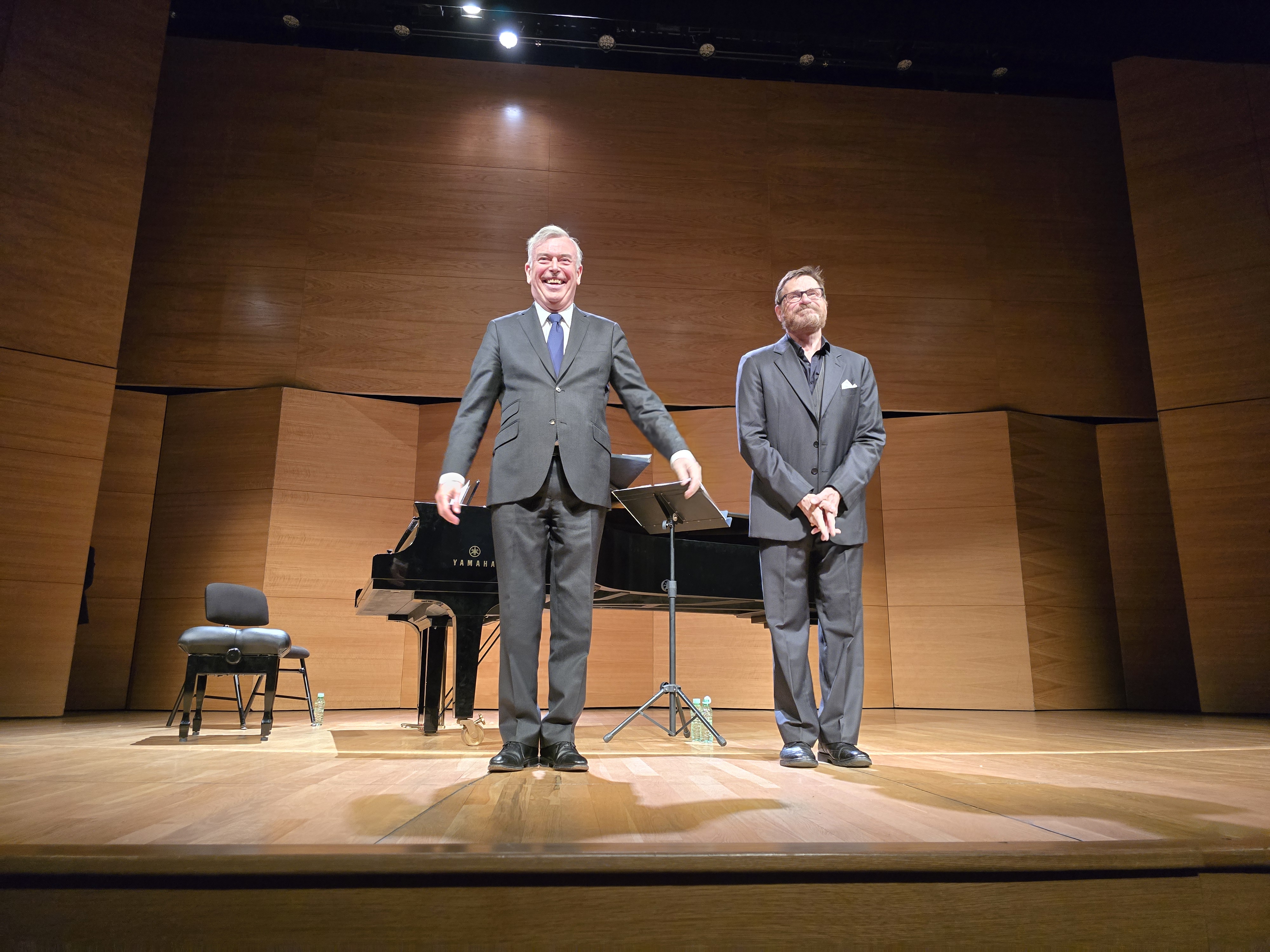
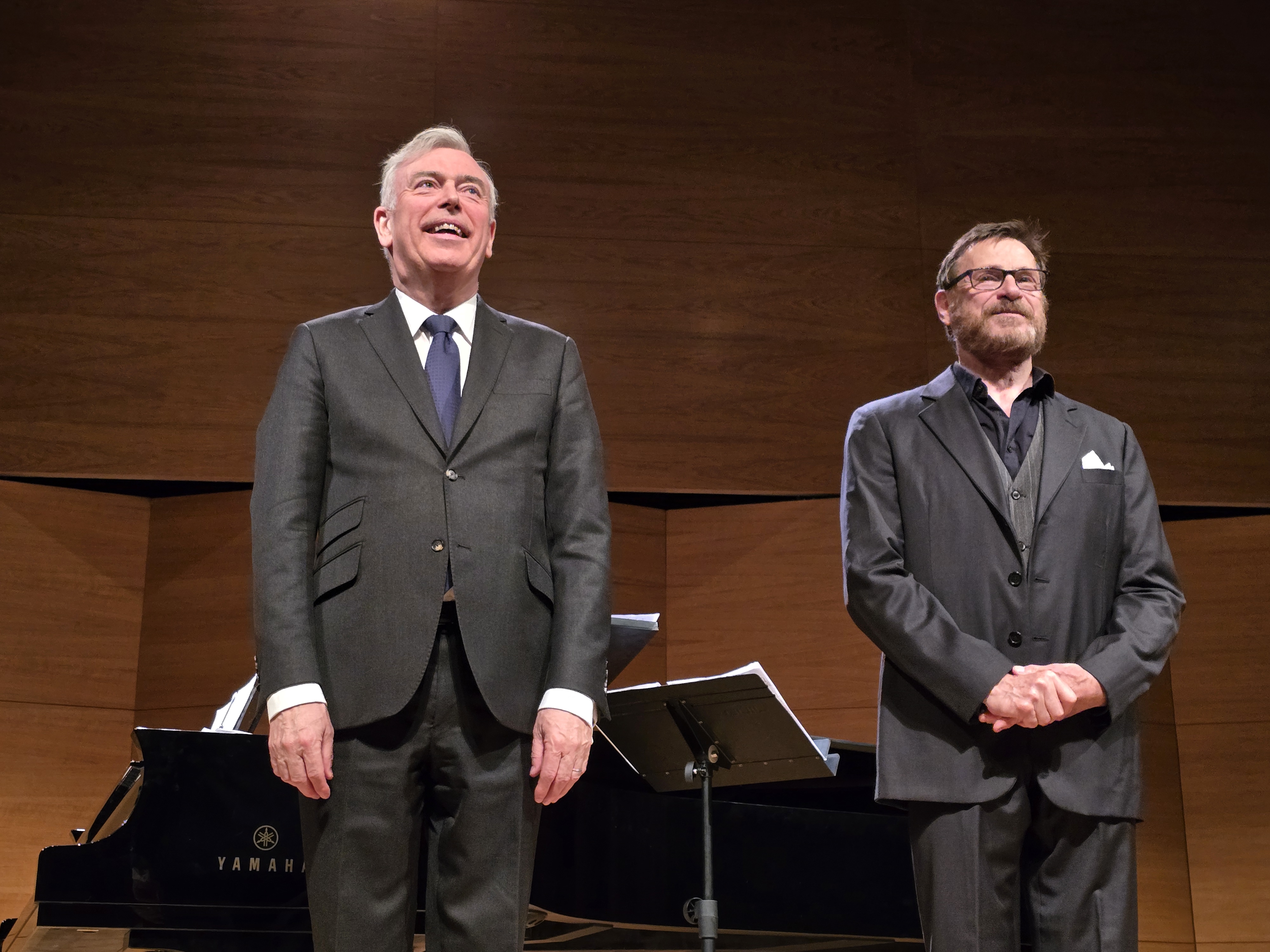
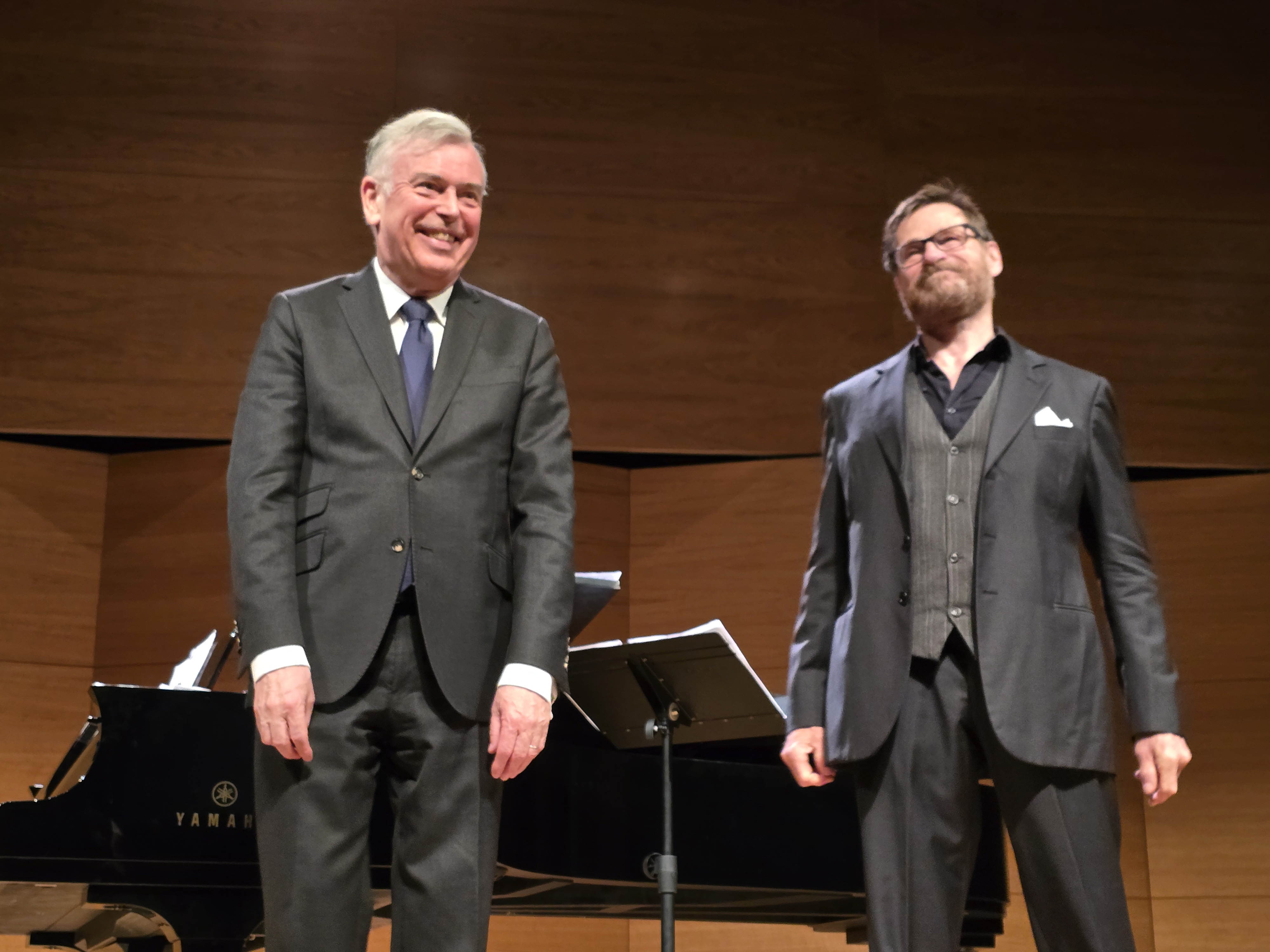
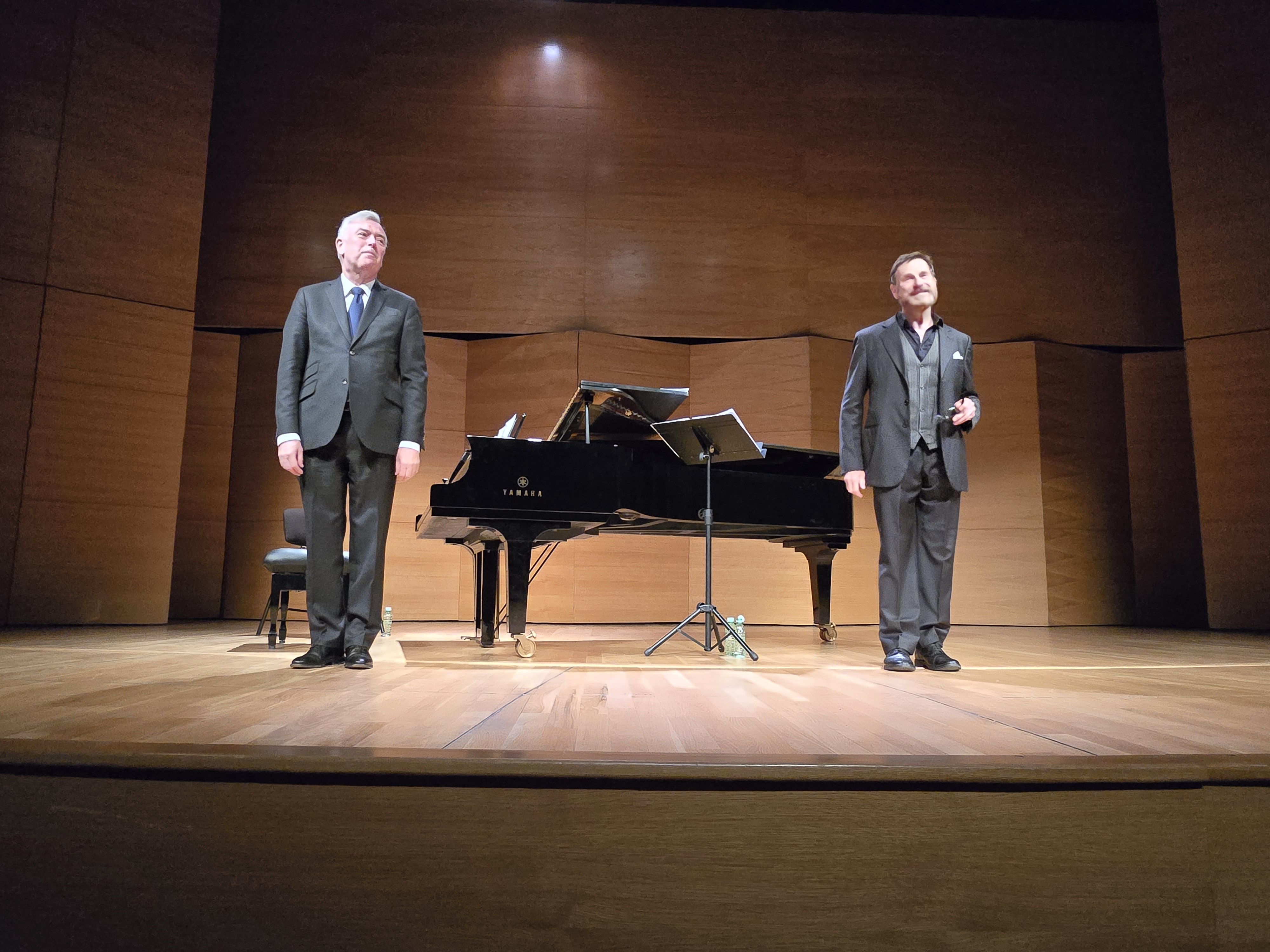
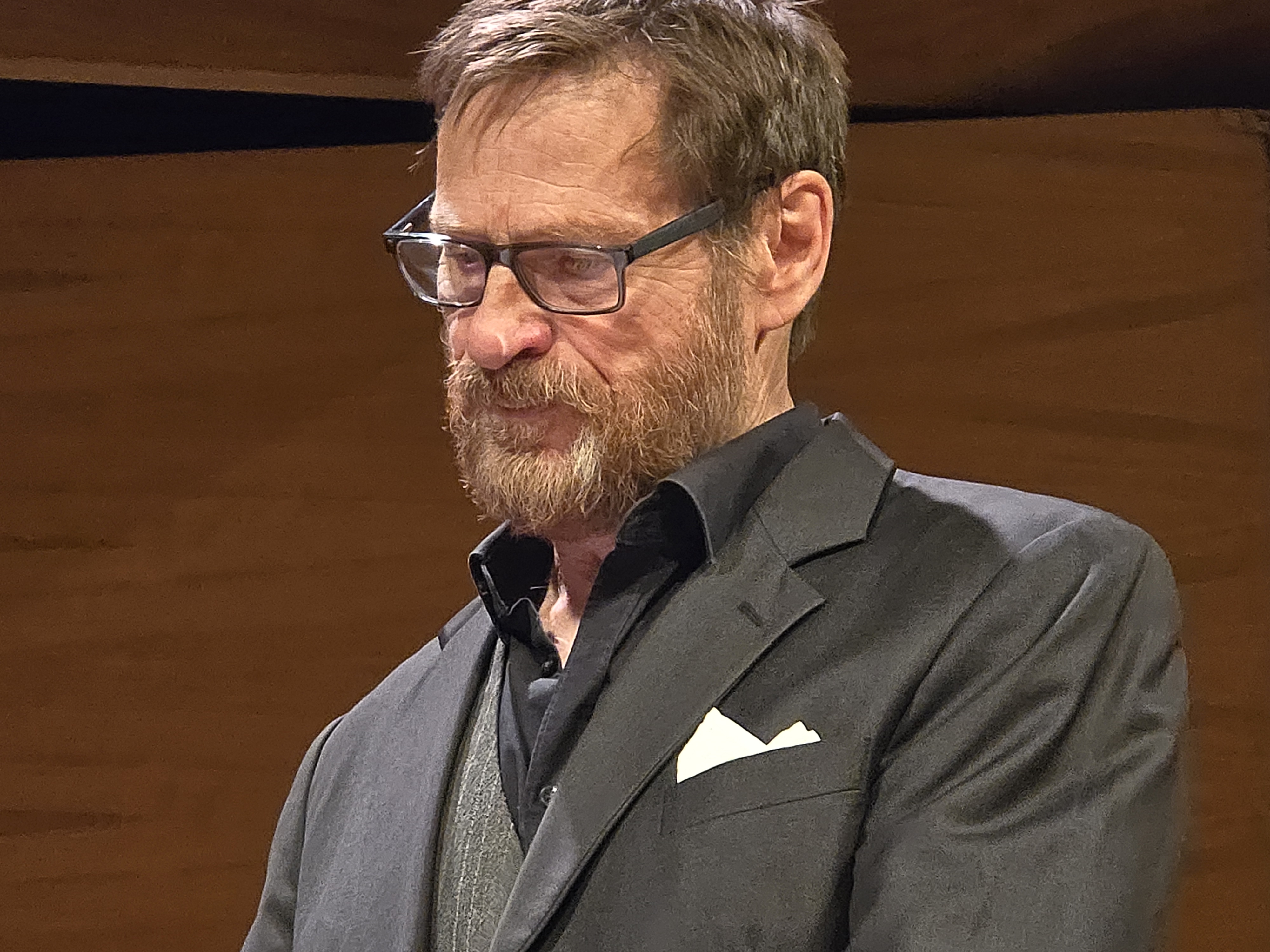
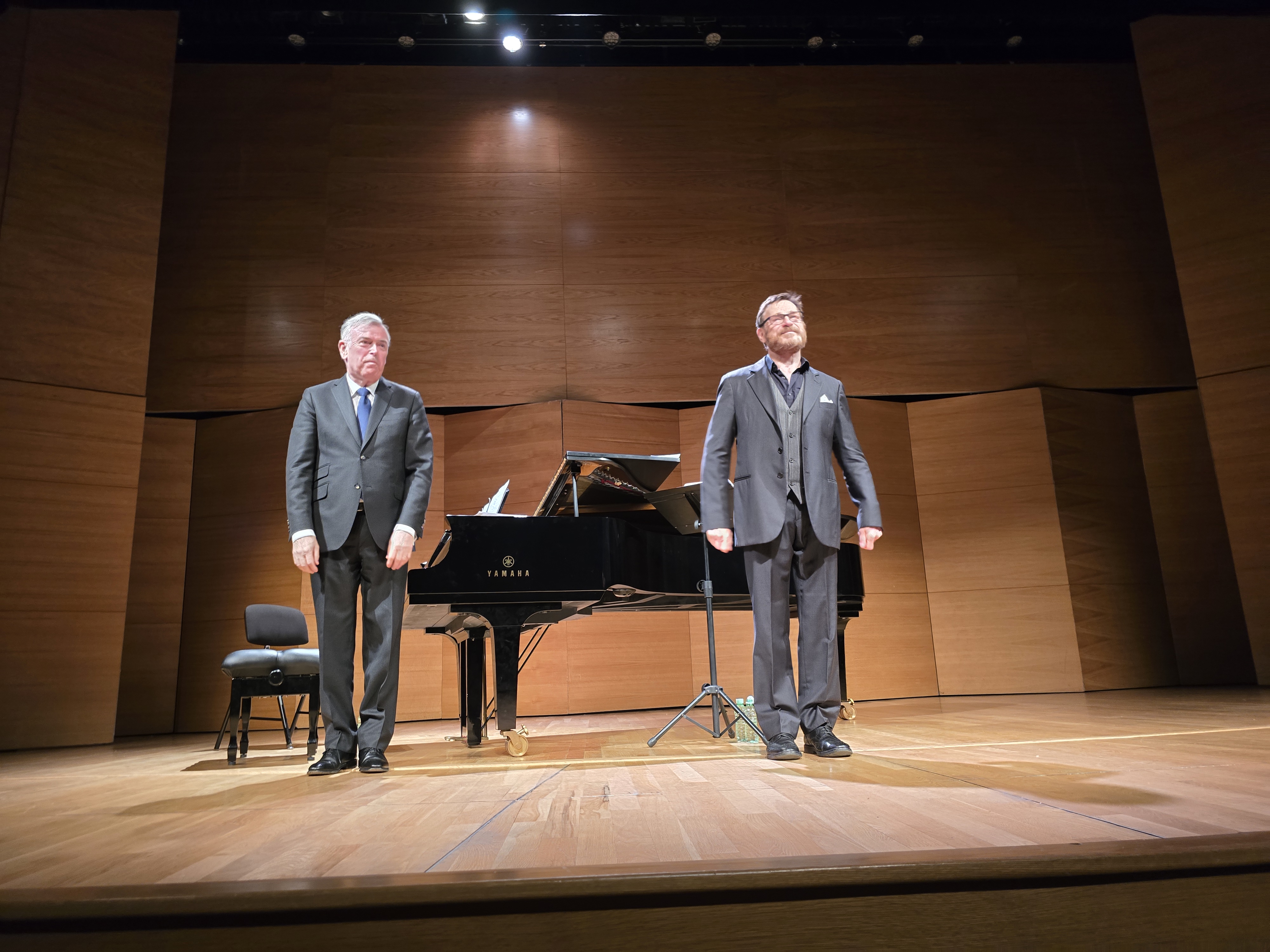
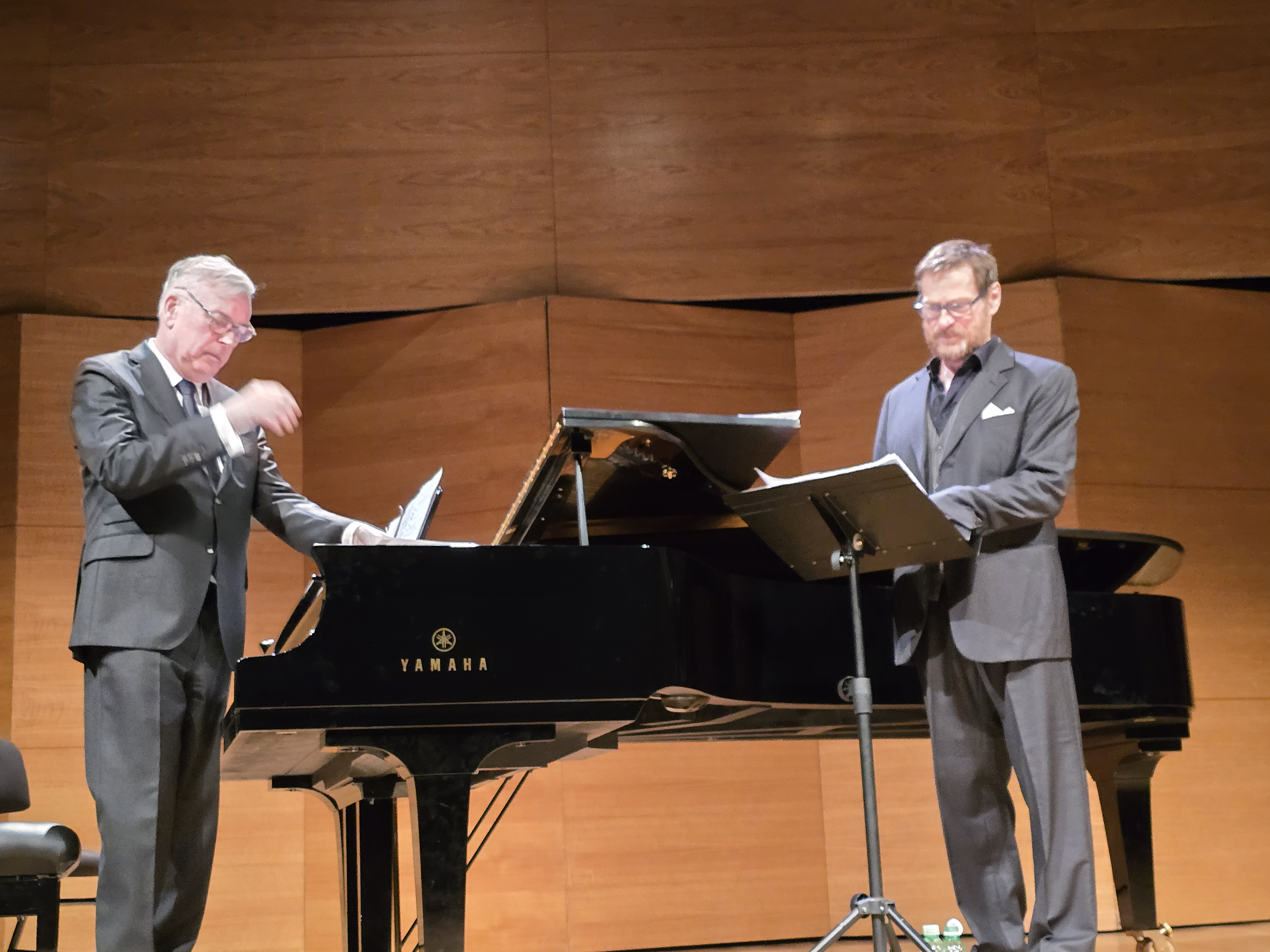
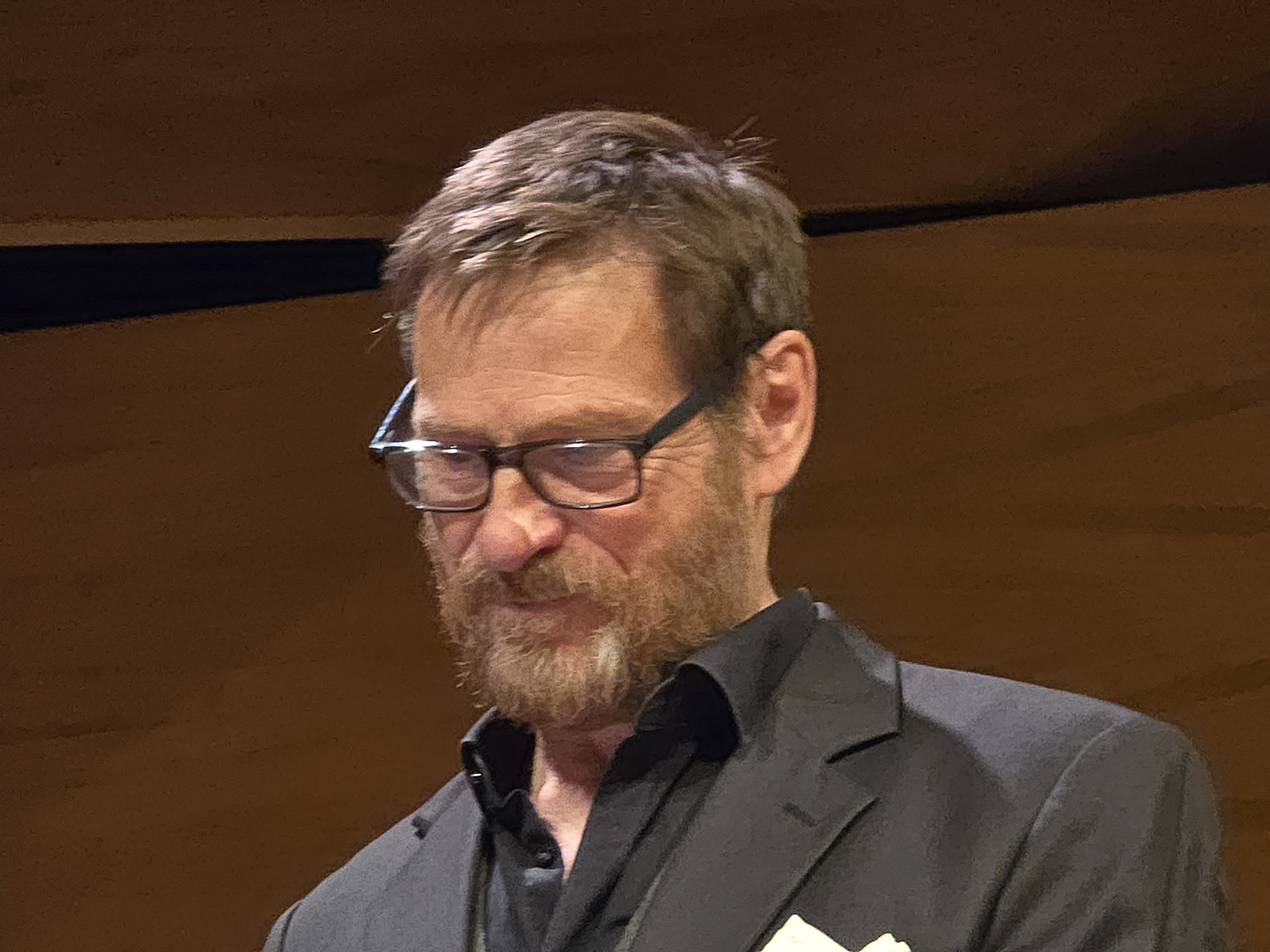
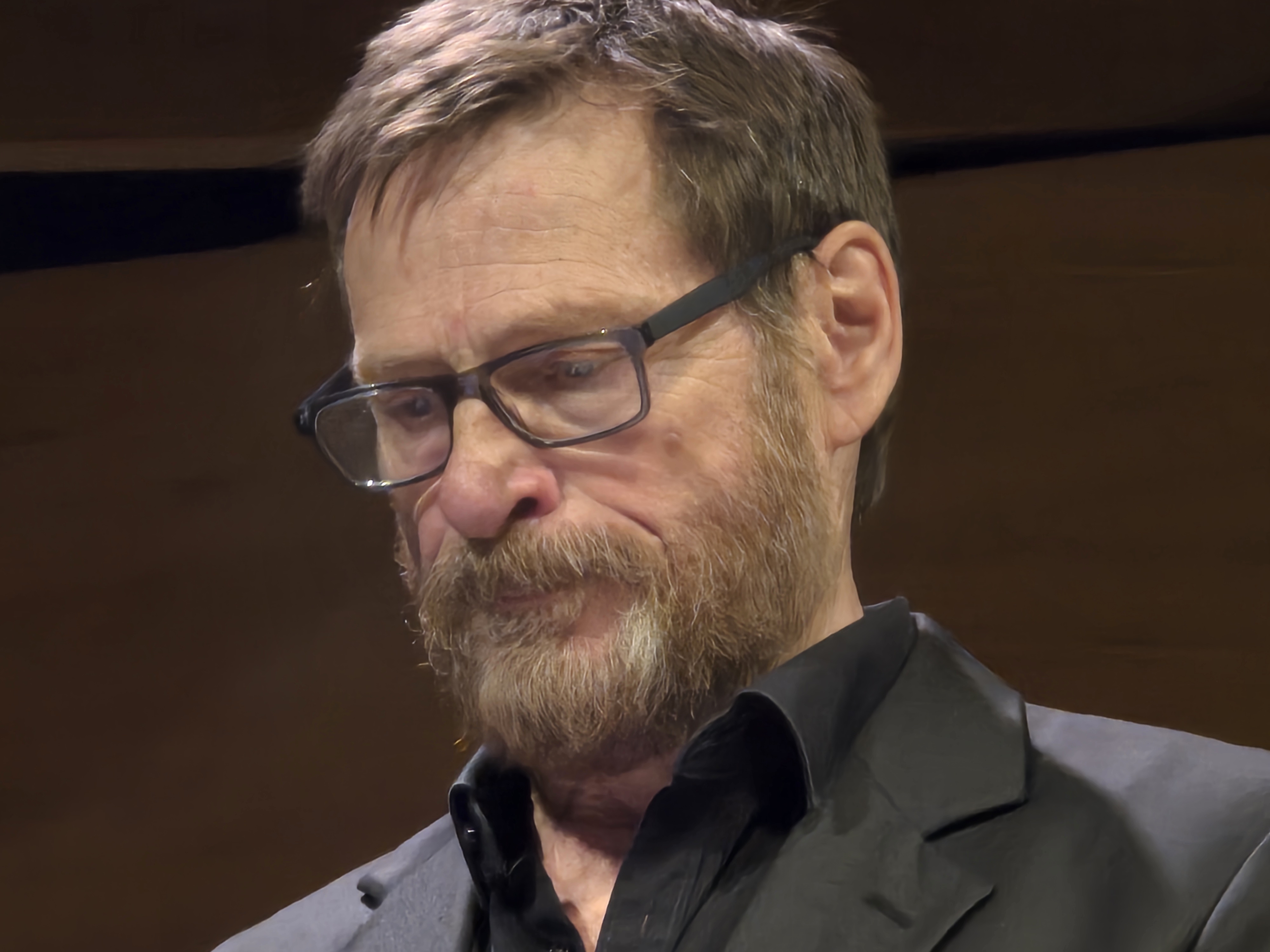
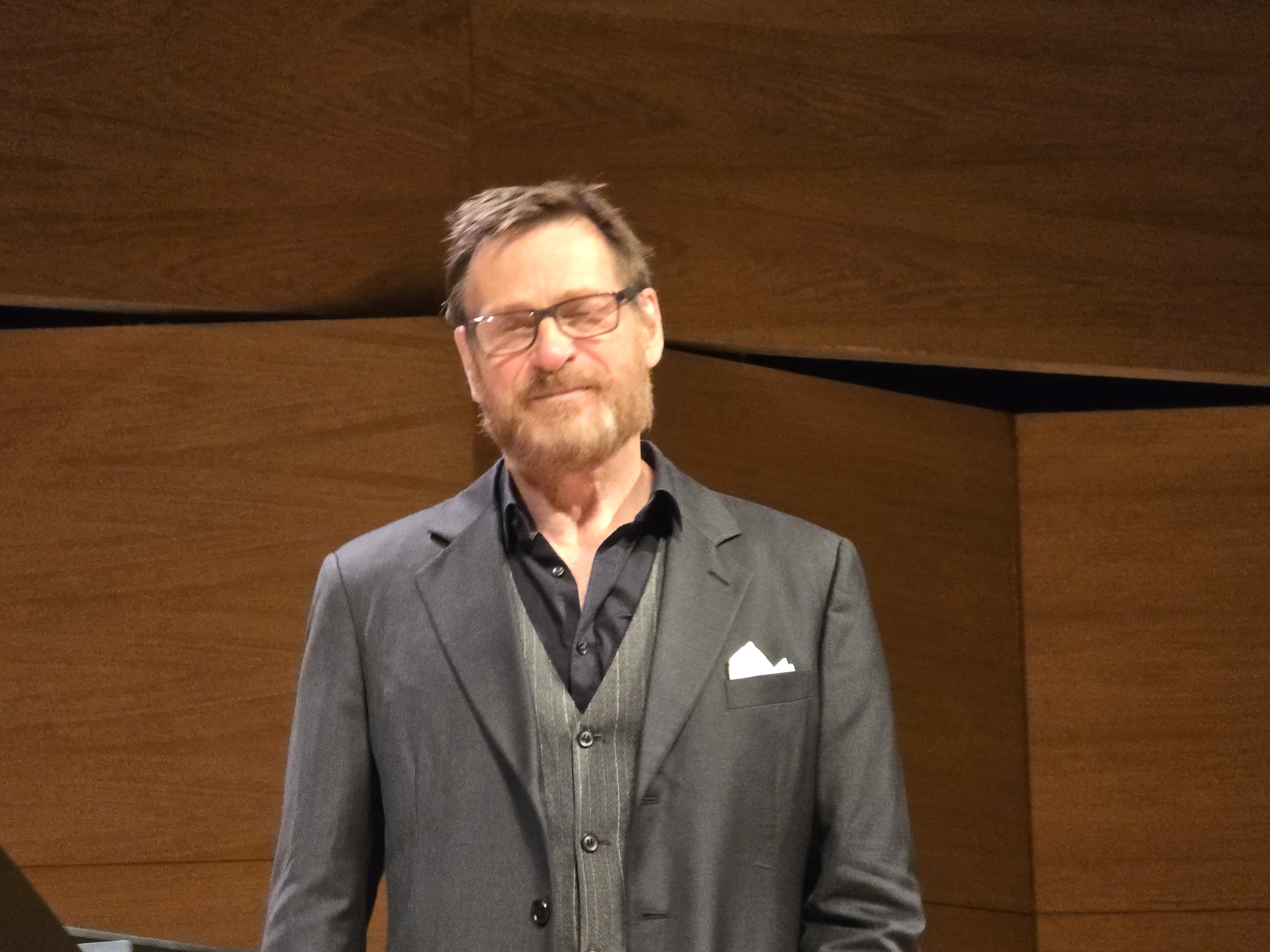
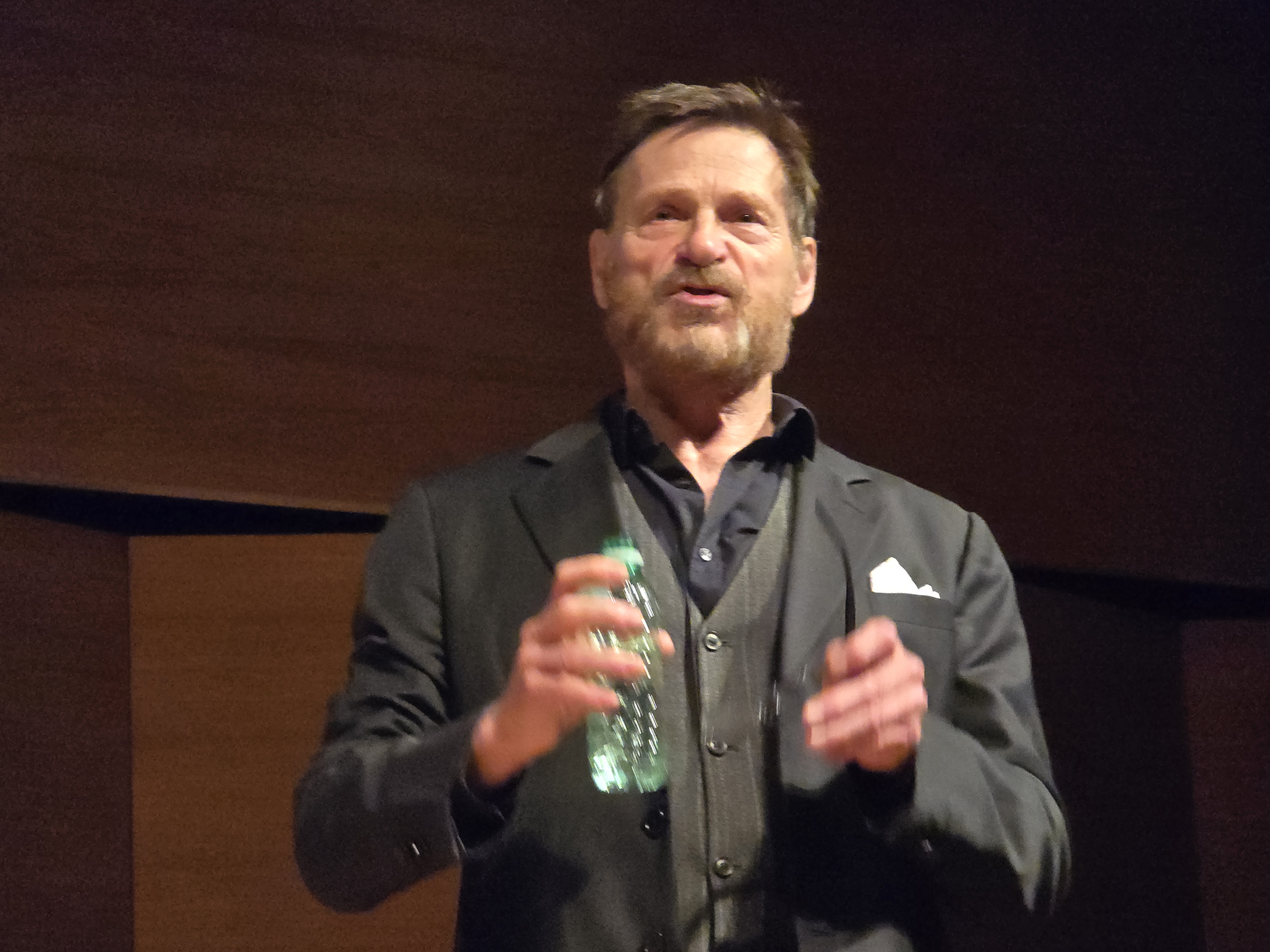
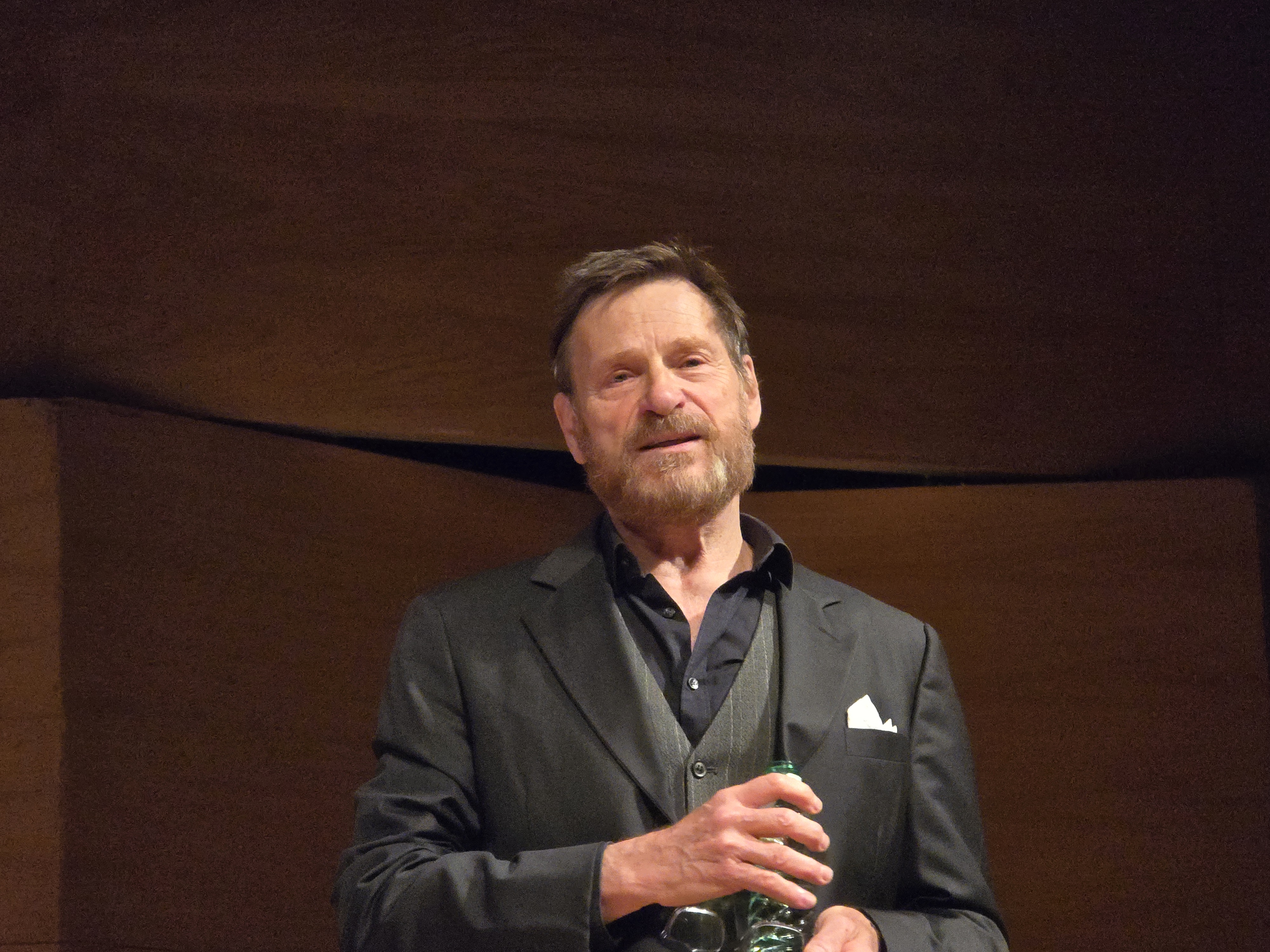
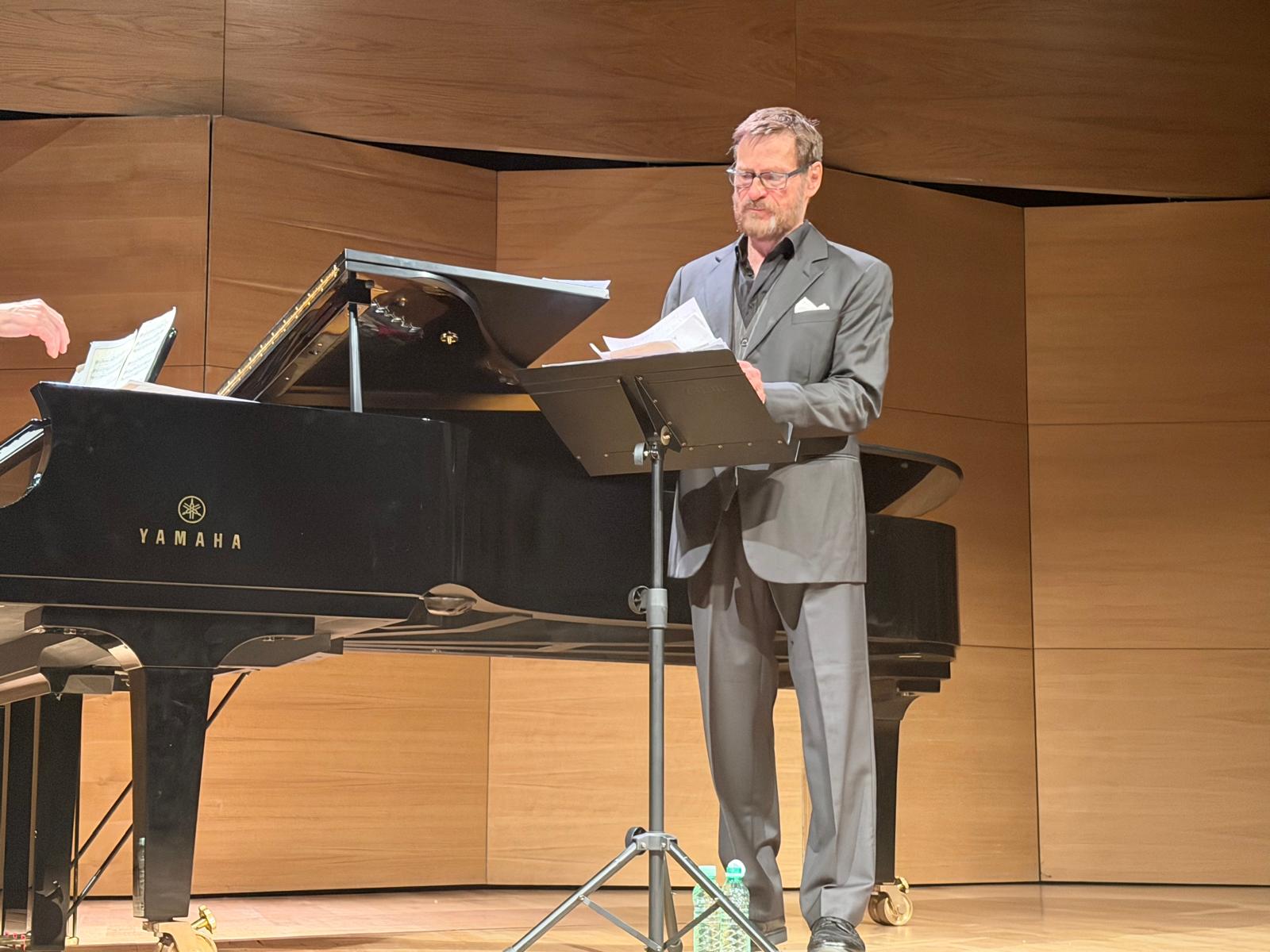
Espacio Turina, Seville, 16.05.2026 ©SKInfo
Simon Keenlyside : baritone
Malcolm Martineau : piano
Simon and Malcolm Martineau will give a recital at the Espacio Turina, Seville, Spain, on 16 May 2026. In collaboration with LIFE Victoria Barcelona.
Programme
I
Gustav Mahler (1860 - 1911)
When I Was One-and-Twenty (1911)
Look Not In My Eyes (1911)
Think No More, Lad (1911)
The Lads in Their Hundreds (1911)
Henri Duparc (1848-1933)
Francis Poulenc (1899-1963)
Encores
SOUNDBITES
Diario de Sevilla, 15.05.2026, Andrés Moreno
"El recital fue descomunal de principios a fin, con tres bellísimas propinas de Mahler y Schubert. Keenlyside maneja su voz potente, perfectamente proyectada en la máscara, de tonalidades oscuras en la fonación pero con brillo en la articulación, de manera plenamente atenta al texto que canta. Dicción clara y control de los colores mediante los reguladores y las medias voces están siempre al servicio de la expresividad y de la emotividad, con una línea de canto ligada magistral. Actúa y vive cada canción más allá de las notas, con su lenguaje corporal y con la manera de manejar el sonido de su garganta. Igual adopta el tono solemne de Phantasie aus Don Juan de Mahler que el más delicado e íntimo de Phidylé de Duparc, pasando por el parlato y el legato de The Lads in Their Hundreds de Butterworth. Hay que descubrirse ante el canto conversacional medido nota a nota en Loveliest of Trees del mismo Butterworth o el tono casi litúrgico, contenido y casi susurrado de Im Abendrioth de Schubert, la última y mágica propina. Y con Martineau a su lado, atento y sensible, todo es perfecto, pocos pianistas hay tan atentos al canto y a la línea emocional de la partitura, controlando el pedal de forma casi mágica y acariciando las teclas cuando es necesario, extrayendo del instrumento toda una paleta de colores y de matices, como en la mencionada canción de Duparc, por ejemplo. O en la de Schubert, con suaves y nítidos arpegios."
"The recital was phenomenal from beginning to end, with three exquisite encores by Mahler and Schubert. Keenlyside wields his powerful voice, perfectly projected, with dark tones in his phonation but brilliant articulation, always fully attentive to the text he sings. Clear diction and masterful control of vocal colors through dynamics and half-voice are always at the service of expressiveness and emotion, with a masterful legato. He acts and lives each song beyond the notes, through his body language and the way he manipulates the sound of his throat. He adopts with equal ease the solemn tone of Mahler's Phantasie aus Don Juan and the more delicate and intimate one of Duparc's Phidylé, passing through the parlato and legato of Butterworth's The Lads in Their Hundreds. One must take one's hat off to the conversational, note-by-note vocals in Butterworth's Loveliest of Trees, or the almost liturgical, restrained, and nearly whispered tone of Schubert's Im Abendrioth, the final, magical encore. And with Martineau at his side, attentive and sensitive, everything is perfect. Few pianists are so attuned to the song and the emotional line of the score, controlling the pedal almost magically and caressing the keys when necessary, drawing from the instrument a whole palette of colors and nuances, as in the aforementioned Duparc song, for example. Or in Schubert's piece, with its soft and clear arpeggios."
ABC Sevilla, 17.05.2026, Carlos Tarín
"En el apartado Mahler se nos ofrecieron lieder de dos fuentes: una la de 'Des Knaben Wunderhorn' («La trompa mágica del muchacho») y 'Lieder und Gesänge aus der Jugendzeit' («Canciones y cantos de mi juventud»). Del primero se oyó para empezar la célebre 'Des Antonius von Padua Fischpredigt' («El sermón de los peces de San Antonio de Padua»), que bien pudiera servirnos para admirar las cualidades de este cantante: hermoso timbre de voz, registro que corre con fluidez, con naturalidad y, en este caso concreto, aportando el carácter que el autor da a la escena («Con humor») recreando cómo San Antonio, al ver la. iglesia vacía, se marcha al río, donde los peces lo escuchan entusiasmados: desde una zona grave vimos cómo el cantante iba levantándose hasta la zona más aguda de su registro, sin perder el color. Y el grave en sí contenía una belleza que nos supo a poco.....
..Estamos obviando una referencia al pianista Malcolm Martineau porque se merece un comentario aparte..... La comunión con Keenlyside fue total, y no porque hubiera la posibilidad de tapar su voz, que no, sino porque conseguía lo que debe haber entre el cantante y el pianista: ser uno."
"In the Mahler section, we were offered lieder from two sources: 'Des Knaben Wunderhorn' ("The Boy's Magic Horn") and 'Lieder und Gesänge aus der Jugendzeit' ("Songs and Songs of My Youth"). From the former, we began with the celebrated 'Des Antonius von Padua Fischpredigt' ("Saint Anthony of Padua's Sermon on the Fishes"), which served well to showcase the qualities of this singer: a beautiful vocal timbre, a register that flows smoothly and naturally, and, in this particular case, conveying the character the composer gives to the scene ("With humor") recreating how Saint Anthony, seeing the empty church, goes to the river, where the fish listen to him enthusiastically. From a low register, we saw how the singer rose to the highest part of his range without losing any of its richness. And the lower register itself contained a beauty that left us wanting more...
We're omitting a mention of pianist Malcolm Martineau because he deserves separate commentary....The connection with Keenlyside was complete, not because there was any possibility of overpowering his voice, which there wasn't, but because he achieved what should exist between singer and pianist: becoming one."
Photo Gallery