Staatsoper Unter den Linden, Berlin
|
14 December 2025 |
18 December 2025 |
21 December 2025 |
4 January 2026 |
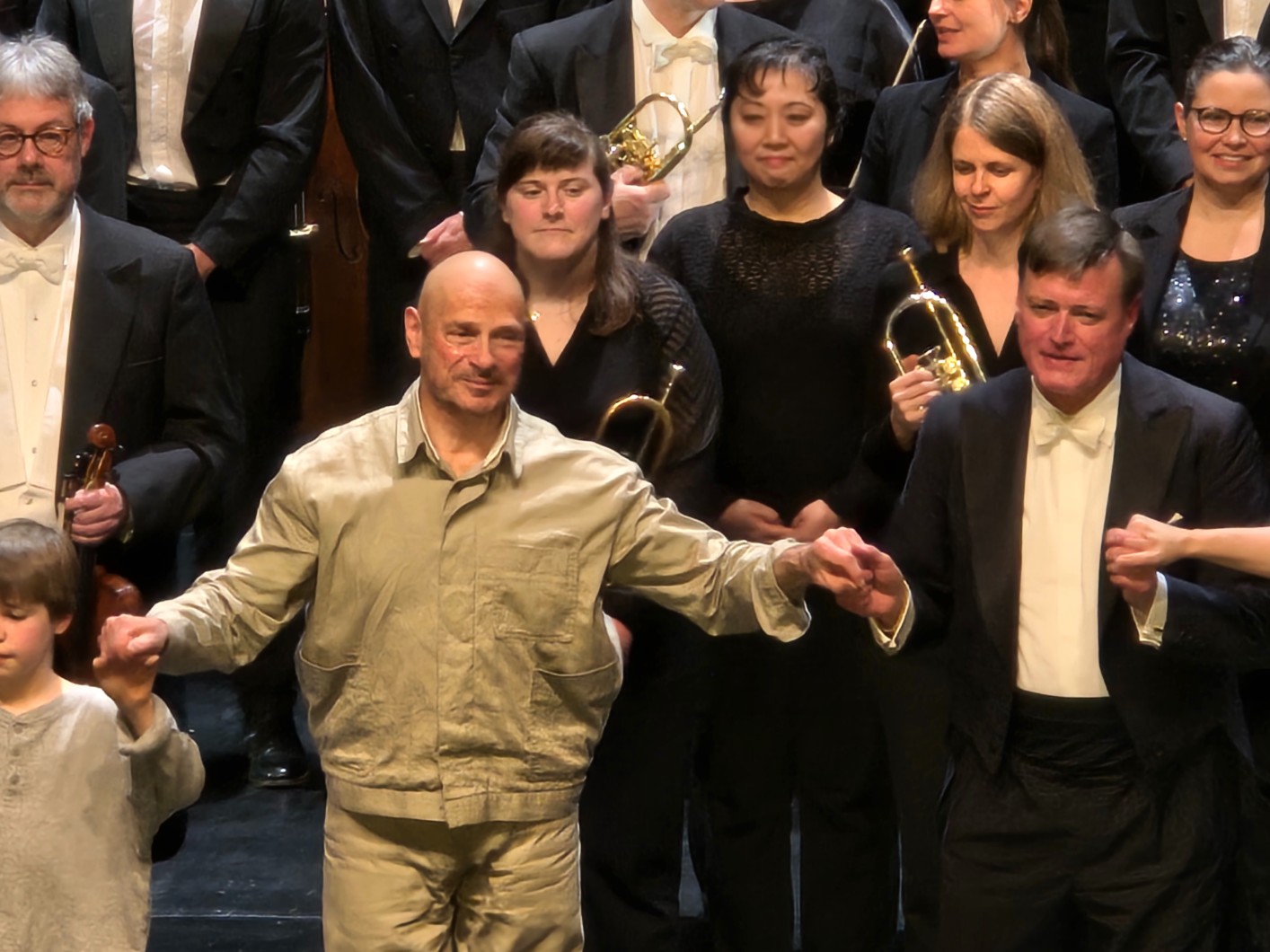
Simon and Christian Thielemann, 14.12.2025 ©SK Info
Composer : Alban Berg
Librettist : Georg Büchner
Production : Andrea Breth
Staging : Martin Zehetgruber
Costumes : Silke Willrett, Marc Weeger
Light : Olaf Freese
Conductor : Christian Thielemann
Performers
Wozzeck : Simon Keenlyside
Tambourmajor : Andreas Schager
Andres : Florian Hoffmann
Hauptmann : Wolfgang Ablinger-Sperrhacke
Doktor : Stephen Milling
1. Handwerksbursche : Friedrich Hamel
2. Handwerksbursche : Dionysios Avgerinos
Der Narr : Stephan Rügamer
Marie : Anja Kampe
Margret : Anna Kissjudit
Marie's boy : Soloist of the children's choir
Simon will sing Wozzeck in four performances at the Staatsoper Unter den Linden in Berlin in December 2025 and January 2026.
The first performance marks the 100th anniversary of the first ever performance of Wozzeck, on 14 December 1925 at the Berlin State Opera.
Simon discusses playing the role of Wozzeck in this short video produced by the Berlin Staatsoper
Wozzeck 100 Years On, Classical Music, 08.12.205, Jon Tolansky
An interesting article on Wozzeck, which includes a contribution from Simon.
The first performance of Wozzeck on 14 December will be broadcast live on German Radio 3 at 18.00 hours local time. Click on link below to listen
There will be a second broadcast of the opening night of Wozzeck on BR-Klassik radio at 20.23 hrs (local time) on Saturday 28 February.
Link to 28 February 2026 broadcast
SOUNDBITES
"...Bis auf genau den Wozzeck, der als einziger Menschlichkeit kennt und für seine Liebe kämpft, aber nicht zuletzt Opfer seiner Ehrlichkeit und naiven Gutgläubigkeit wird. Das Bühnenbild von MartinZehetgruber stellt in den ersten sechs Szenen einen klaustrophob anmutenden Guckkasten dar, der sich zur niedrigen Drehbühne weitet und erst in der zwölften Szene, in der Wozzeck Marie mit einem Messer die Kehle durchschneidet, einer großen leeren Bühne Platz macht.
Das Ereignis des Abends ist aber weniger die doch sehr kloakenmorastige Inszenierung als eine umwerfende Ensembleleistung und die brillante klangliche Umsetzung durch die Staatskapelle Berlin unter der Stabführung von Christian Thielemann.
Die vokalen Kronen des Abends gebühren gleichermaßen dem Wozzeck von Simon Keenlyside als auch der Marie von Anja Kampe. Keenlyside ist als Wozzeck kein dem Schicksal a priori ausgeliefertes Opfer, sondern ein im Grunde gestandener Mann, der dieser Figur ein menschliches Antlitz gibt. Wozzeck behält in dieser Verkörperung aller erlittenen Erniedrigungen zum Trotz seine Würde. Keenlyside macht weniger den zunehmenden Wahn als die Entwicklung hin zum mörderischen Ende psychologisch glaubhaft nachvollziehbar, ein gebeugter Schmerzensmann, der bis zum letztmöglichen Zeitpunkt kämpft und Verantwortung für die Seinen trägt. Als kleines Wunder darf gelten, wie dieser nun 66-jährige Sänger über die Jahrzehnte hinweg seine stimmlichen Qualitäten ohne jegliche Einschränkung erhalten konnte..."
"...Except for Wozzeck, who is the only one who knows humanity and fights for his love, but ultimately falls victim to his honesty and naive credulity. Martin Zehetgruber's stage design in the first six scenes depicts a claustrophobic-looking peep box that widens into a low revolving stage and only gives way to a large empty stage in the twelfth scene, when Wozzeck cuts Marie's throat with a knife.
However, the highlight of the evening is not so much the very sordid staging as the stunning ensemble performance and the brilliant musical interpretationi by the Staatskapelle Berlin under the baton of Christian Thielemann.
The vocal highlights of the evening were equally shared by Simon Keenlyside as Wozzeck and Anja Kampe as Marie. Keenlside's Wozzeck is not a victim a priori at the mercy of fate, but a fundamentally mature man who gives this character a human face. In this embodiment, Wozzeck retains his dignity despite all the humiliations he has suffered. Keenlyside makes the development towards the murderous end psychologically credible, rather than the increasing madness, a broken man in pain who fights to the last possible moment and takes responsibility for his loved ones. It is nothing short of a minor miracle how this 66-year old singer has been able to maintain his vocal qualities without any impairment over the decades..."
(Translation by Deepl.com)
"...Selten hat man Oper so völlig bar aller Operngesten gesehen. Wenn Personenregie gemeinhin heißt, Figuren halbwegs sinnvoll über die Bühne zu schieben, so übersteigt Breths Kunst solcherlei exponentiell, aber stets sparsam und gekonnt. Es sind immer konsequent aus der Situation ausgearbeitete, ausgehörte Bewegungen und Gesten, Handlung in singulärer Art eben hier und jetzt entstehen lassend. Sie aus dem Zusammenhang reißend aufzählen zu wollen, das Krümmen der Irren, das Häuten der Hasen, Maries trostlos umher robbendes Kind, Wozzecks Körpersprache, oder was alles ein Eimer beinhalten oder bedeuten kann: Das alles würde nichts vom beklemmend bösen Zauber dieses Theaters widergeben können.
Eines Theaters, dem sich die Ausführenden bei dieser Wiederaufnahme mit aller Begeisterung, musikalischer Kraft und Präzision hinzugeben schienen, vornweg der intensive Simon Keenleyside als Wozzeck und Anja Kampe als Marie, Wolfgang Ablinger-Sperrhacke und Stephen Milling als Charakterstudien von Doktor und Hauptmann, Andreas Schager als Tambourmajor mit hohem Testosterondruck und, stellvertretend für andere Nebenrollen, der Charaktertenor des Hauses Stephan Rügamer als Narr..."
"..Rarely has opera been seen so completely devoid of operatic gestures. If character direction generally means moving characters across the stage in a reasonably meaningful way, Breth's artistry exceeds this exponentially, but always sparingly and skilfully. The movements and gestures are always consistently developed from the situation, allowing the action to arise in a singular way here and now. To try to list them out of context – the crouching of the mad, the skinning of the hares, Marie's child crawling around desolately, Wozzeck's body language, or everything a bucket can contain or signify – would fail to convey the oppressively evil magic of this theatre.
A theatre to which the performers seemed to devote themselves with enthusiasm, musical power and precision in this revival, led by the intense Simon Keenlyside as Wozzeck and Anja Kampe as Marie, Wolfgang Ablinger-Sperrhacke and Stephen Milling as character studies of the Doctor and the Captain, Andreas Schager as the Drum Major with high testosterone levels and, representing other supporting roles, the company's character tenor Stephan Rügamer as the Fool.
(Translation by Deepl.com)
"..In Gestalt des grandiosen Simon Keenlyside ist Breths Wozzeck vom ersten Bild an und fortwährend ein Gepeinigter, dem von allen Seiten nur Empathielosigkeit, Häme und Hohn entgegenschlagen. Zwar lässt er sich vom Hauptmann (imposante Statur und Stimmgewalt: Wolfgang Ablinger-Sperrhacke) und vom Doktor (treffend abstoßend: Stephen Milling), in deren Diensten er steht, nicht ohne Widerrede erniedrigen, aber seine Reizbarkeit wächst. Als er sich selbst von Marie verraten fühlt, er ansehen muss, wie sie sich vor seinen Augen einem anderen hingibt, ist das Maß voll. Da kann er nicht mehr und wird zum Mörder..."
"..In the form of the magnificent Simon Keenlyside, Breth's Wozzeck is, from the very first scene and throughout, a tormented soul who is met with nothing but indifference, malice and scorn from all sides. Although he does not allow himself to be humiliated without protest by the Captain (imposing stature and powerful voice: Wolfgang Ablinger-Sperrhacke) and the Doctor (aptly repulsive: Stephen Milling), in whose service he stands, but his irritability grows. When he feels betrayed by Marie and has to watch her give herself to another man before his very eyes, he has had enough. He can take no more and becomes a murderer..."
".. As Wozzeck, Keenlyside made his character into a bundle of nerves, both musically and physically. His agitated, mobile phrasing was matched with nervous gestures and movements on stage, giving the impression of a hunted animal. Under this disguise, however, his baritone was still as compact and precise as the score requires it to be..."
"..Ja, Wozzeck spürt die Veränderungen, die kommen müssen, allein, er vermag die Verhältnisse nicht zu ändern. Er bleibt ewig ein Getriebener, eindringlich verkörpert von Simon Keenlyside..."
"..Yes, Wozzeck senses the changes that must come, but he alone cannot change the circumstances. He remains forever driven, powerfully embodied by Simon Keenlyside..."
"..In the title role, Sir Simon Keenlyside brought not only a wealth of experience in this role, but something unique to this production. He sounded and even looked the Wozzeck for this moment, more broken than previously, though doubtless building on earlier performances. He seemed stunned, even stunted, by the horrors he endured, yet the flame of humanity never left him, in no small part due to his Lieder-singer’s way with the libretto — which here sounded just as intense as the score..."
"...Simon Keenlyside created a truly memorable, complex, and haunting Wozzeck, in all aspects, from vocal colors to body language and gestures. His physical demeanor sometimes agitated, sometimes still and gathered together as though he were forcibly contained in an imaginary straitjacket, aptly reflected the societal imprisonment, abuse, and persecution befalling him.
His main abusers – the Captain portrayed by Wolfgang Ablinger-Speerhacke with snaky sounds drifting into unnerving falsetto and maniacal laughter, the doctor, sung with substance and imposing tones by Stephen Milling, and the Drum Major, a harsh, grainy-sounding Andreas Schager – created a strong, effectively jarring contrast to the beauty of tone within the vast emotional color palette in Keenlyside’s voice. In between hair-raising outbursts of despair and rage, lyrical musings and frightening observations of life, and the clear pronouncement of philosophical conclusions in low dark tones, and even in the most jagged phrases, Keenlyside’s core elegance of sound shone through. This made Wozzeck’s plight as a singular and misunderstood soul capable of detecting the unseen layers of life even more tragic. His excellent diction rendered the text understandable and his ability to color the meanings of words in the subtlest nuances added new and fascinating depths to this role..."
Photo Gallery
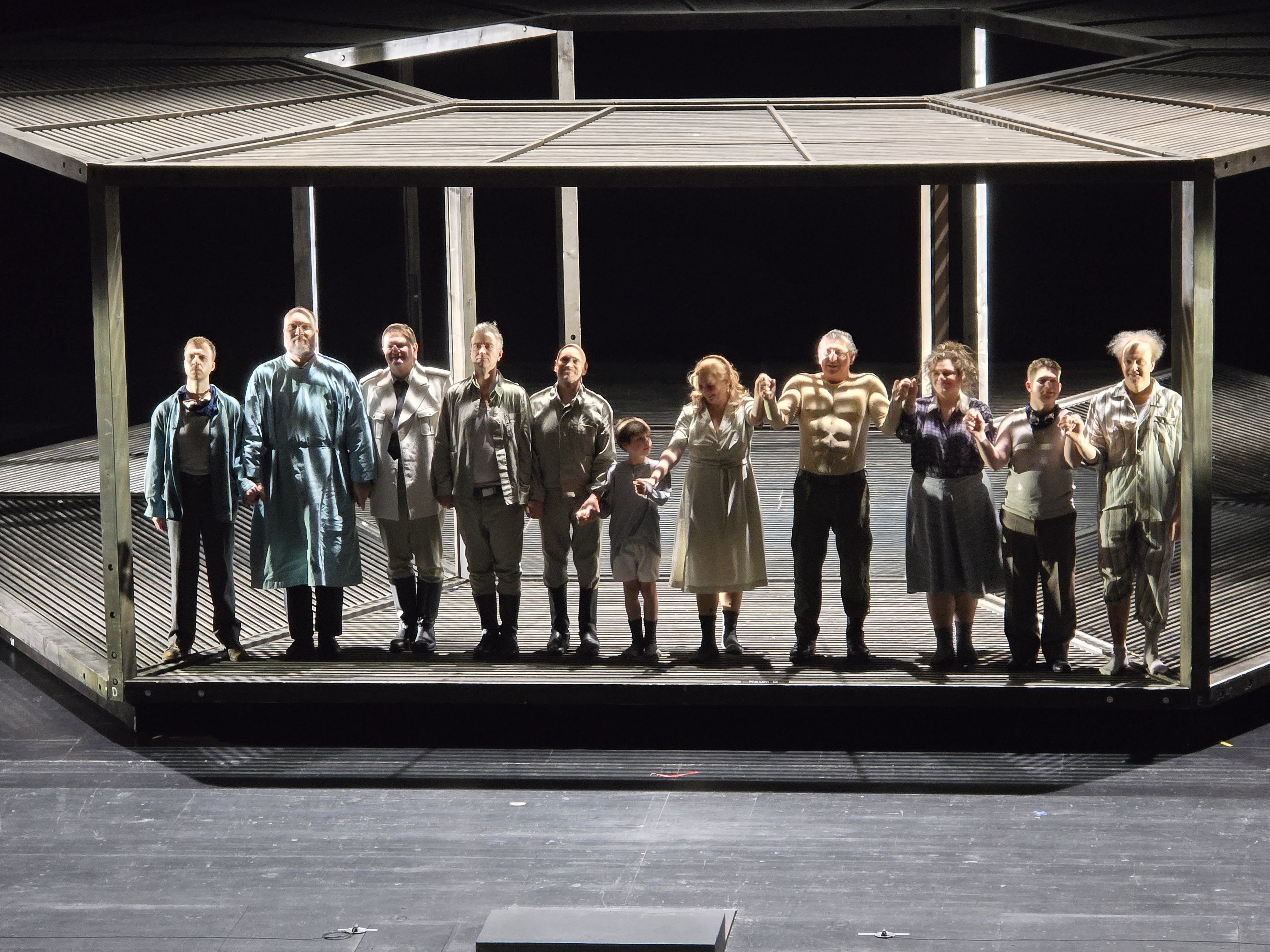
Berlin 14.12.2025 ©SK Info
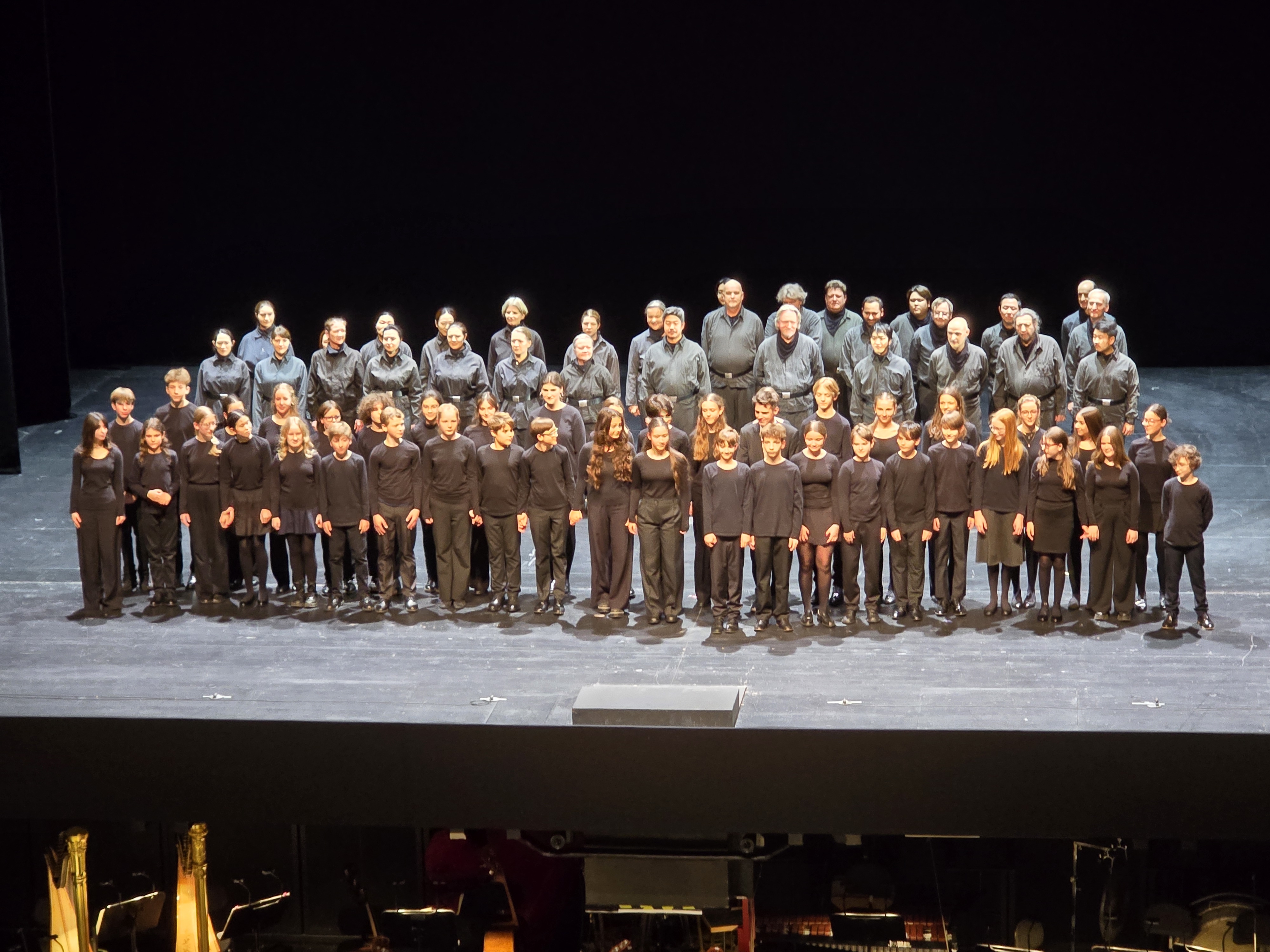
Berlin 14.12.2025 ©SK Info
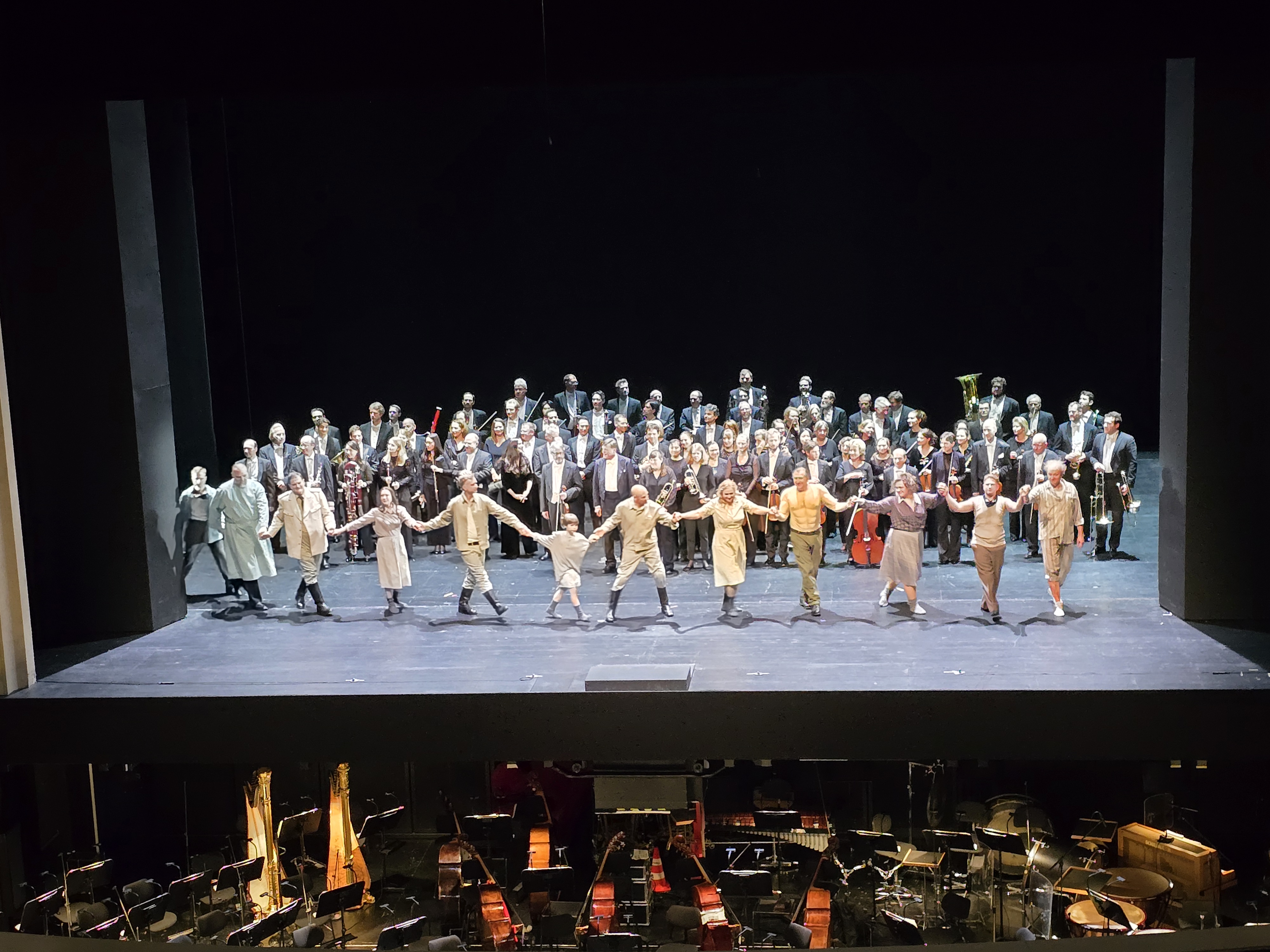
Berlin 14.12.2025 ©SK Info
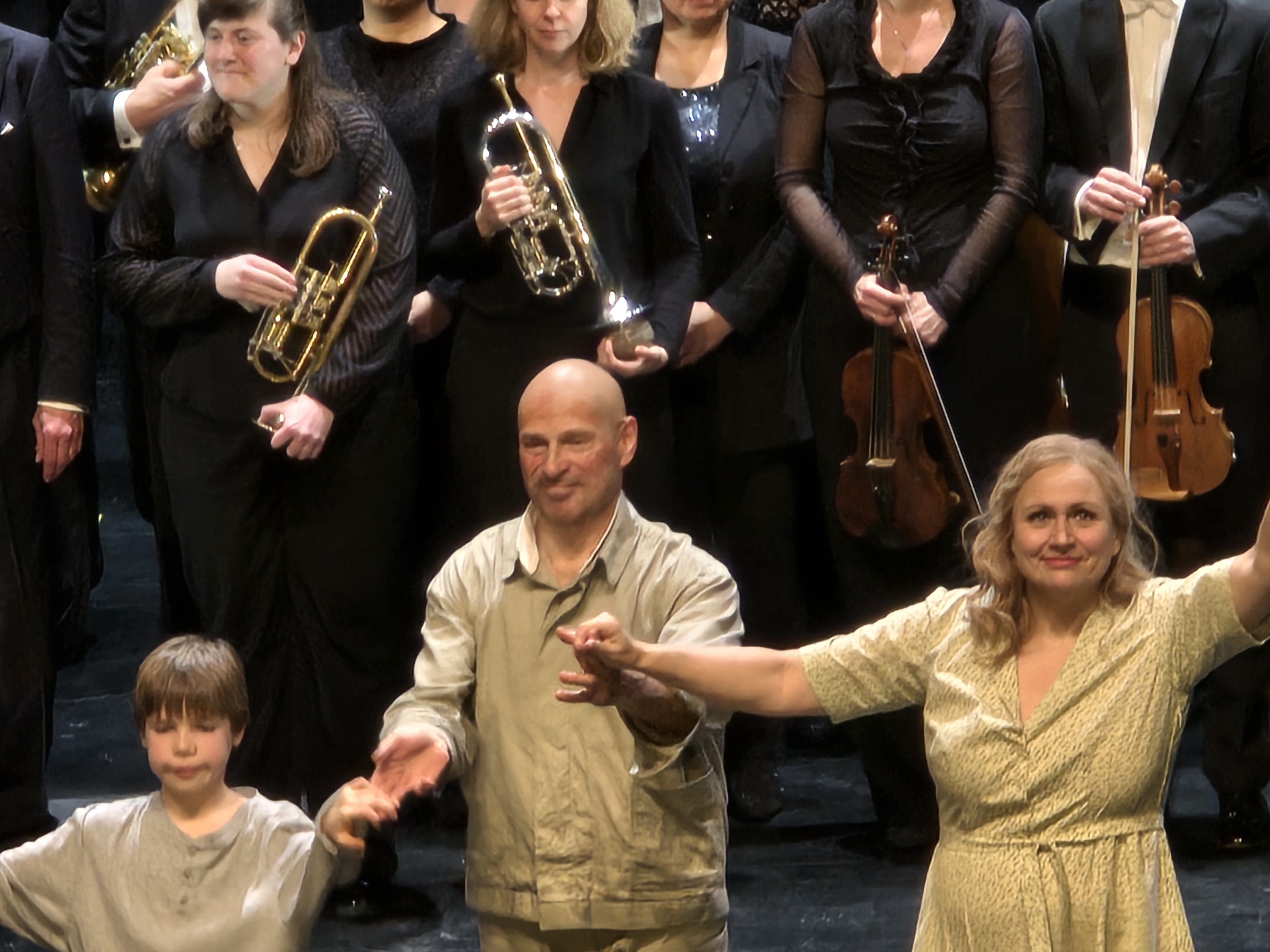
Berlin 14.12.2025 ©SK Info
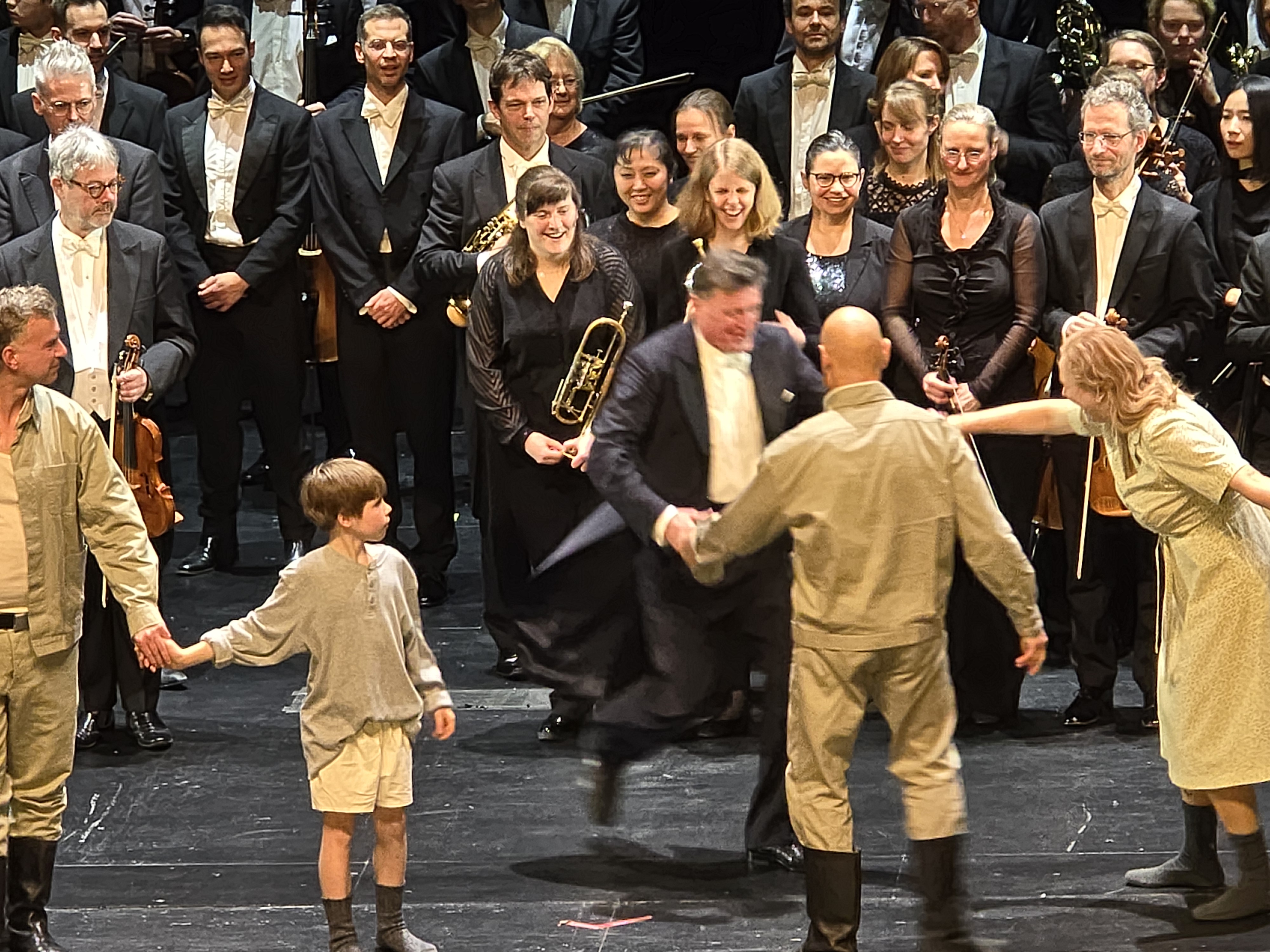
Berlin 14.12.2025 ©SK Info
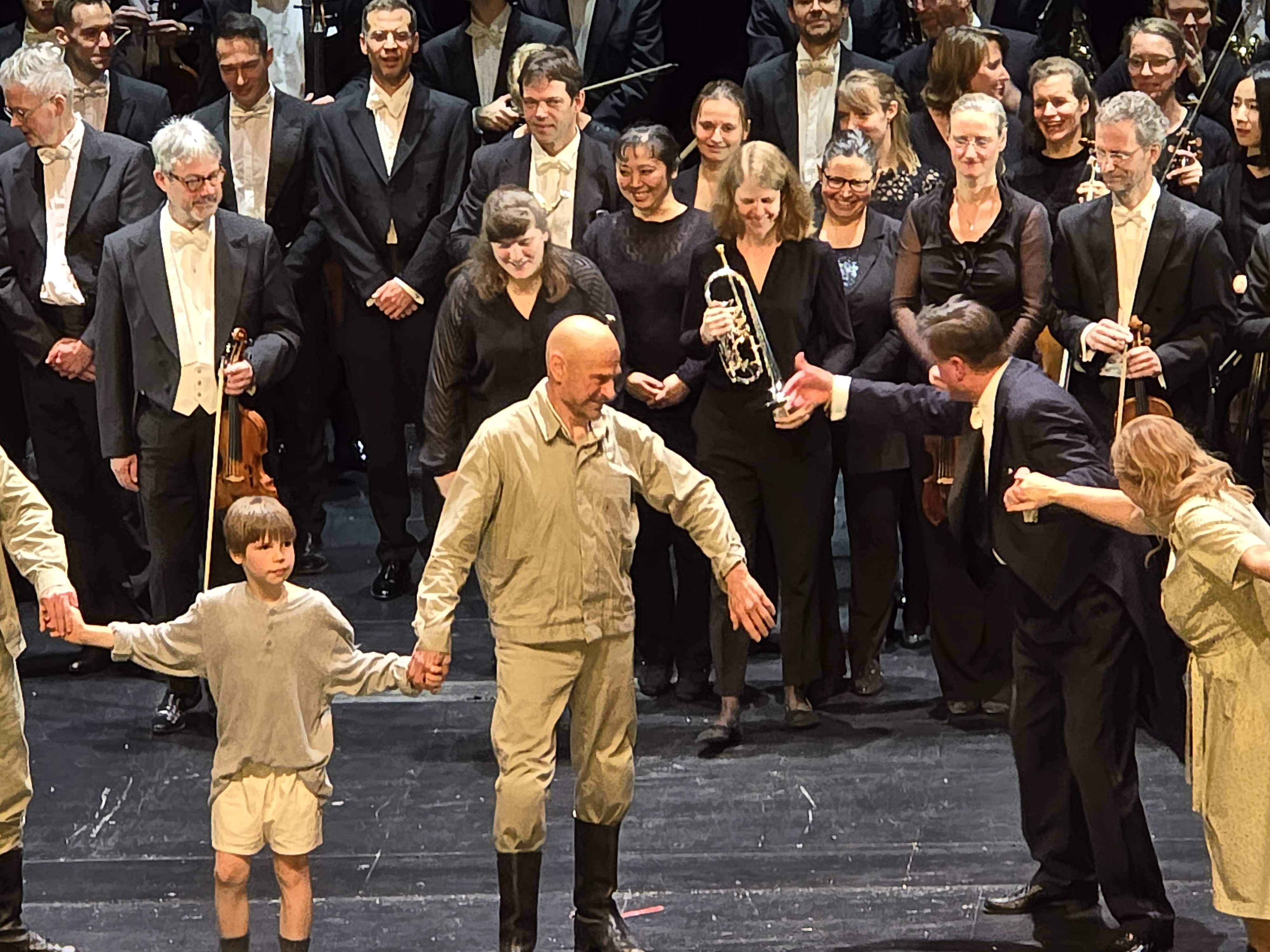
Berlin 14.12.2025 ©SK Info
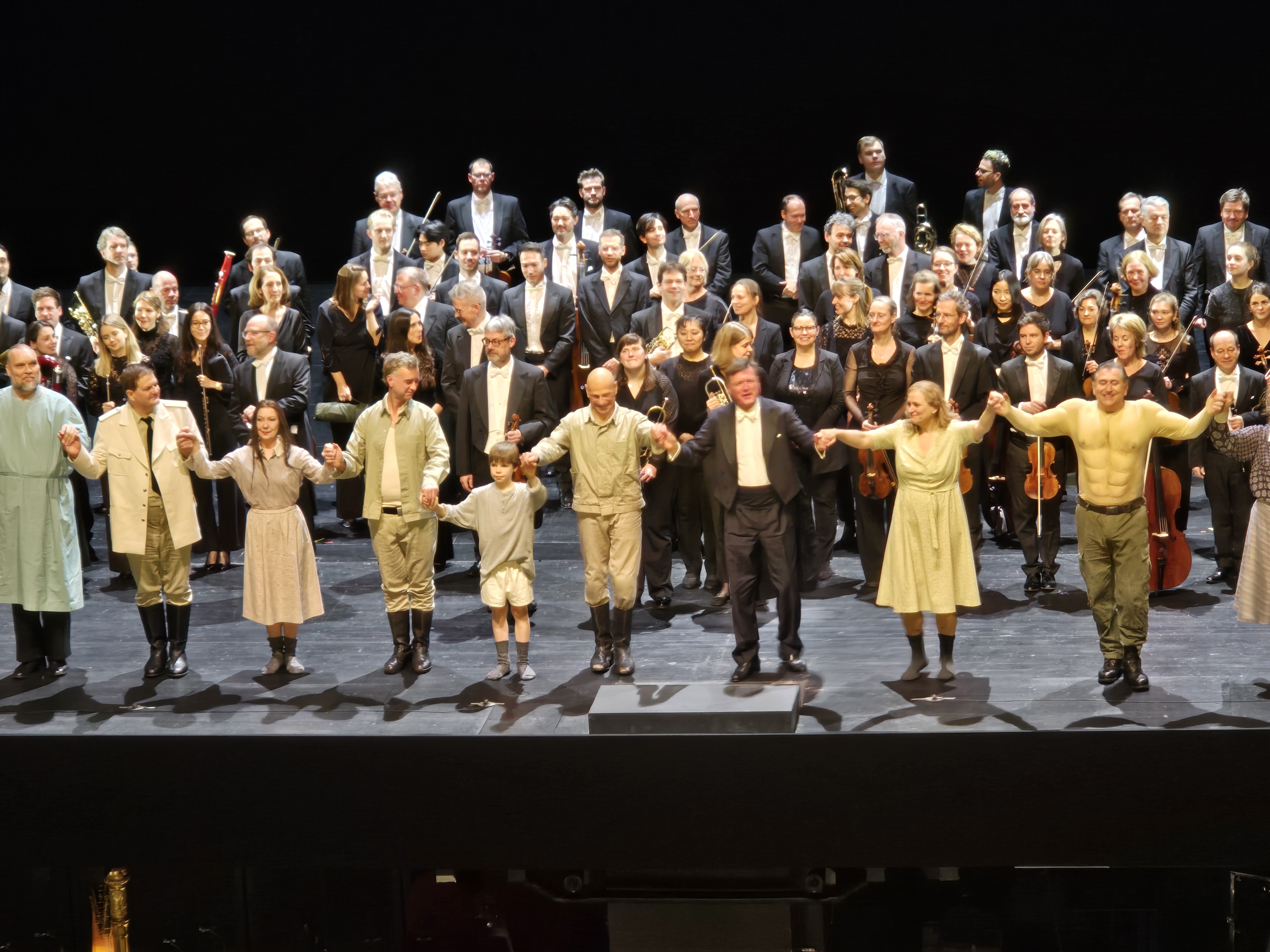
Berlin 14.12.2025 ©SK Info
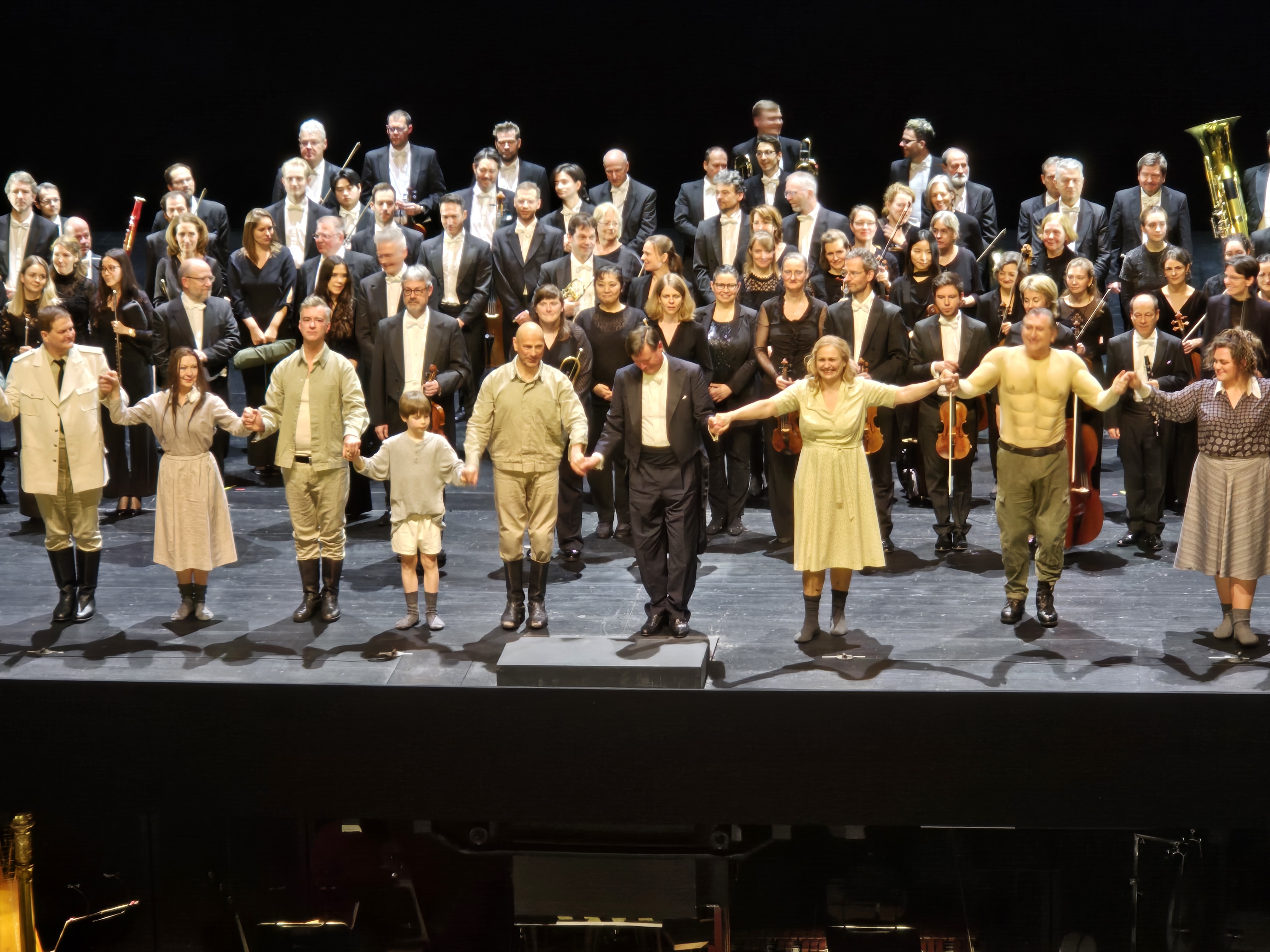
Berlin 14.12.2025 ©SK Info
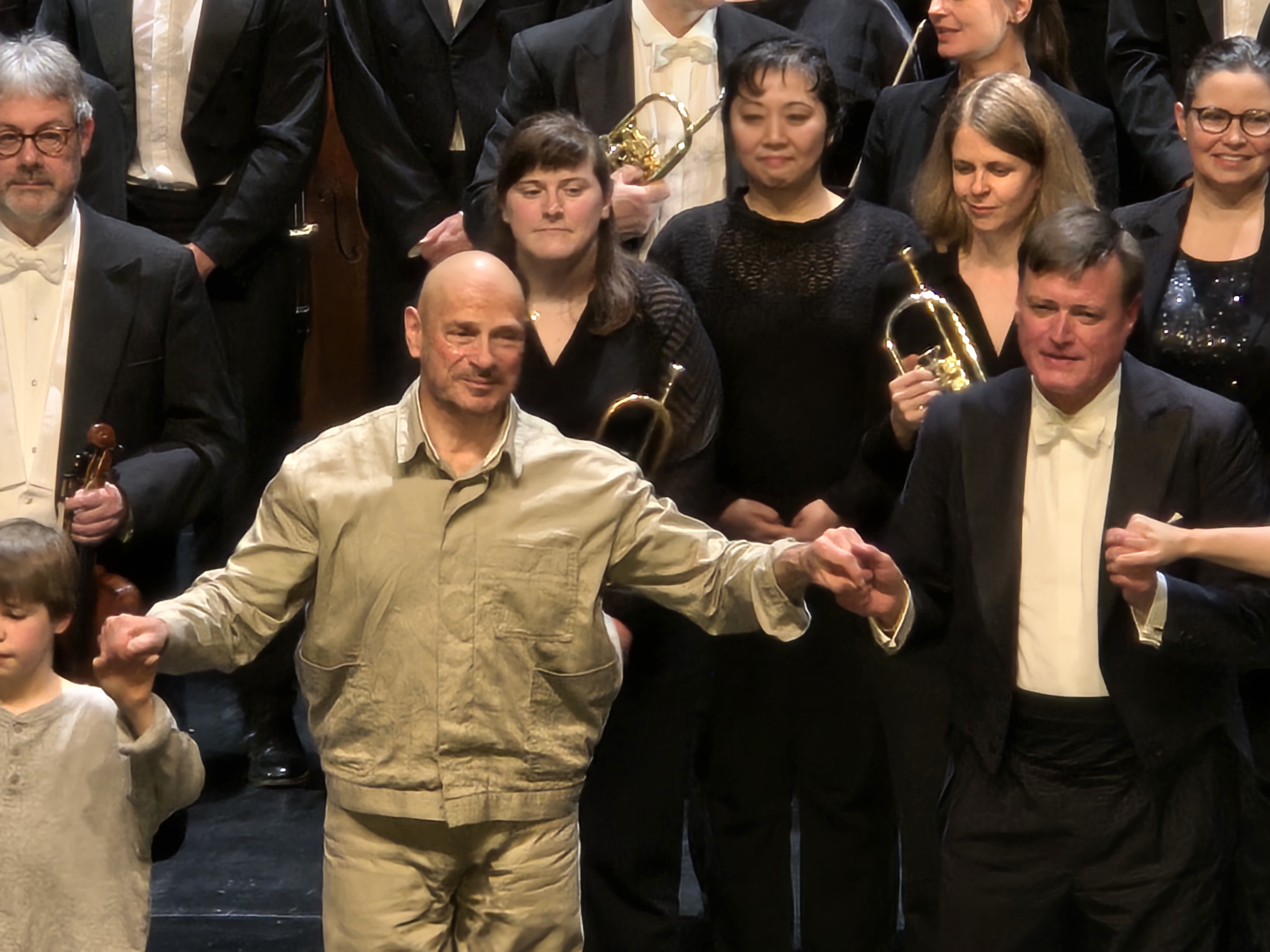
Berlin 14.12.2025 ©SK Info
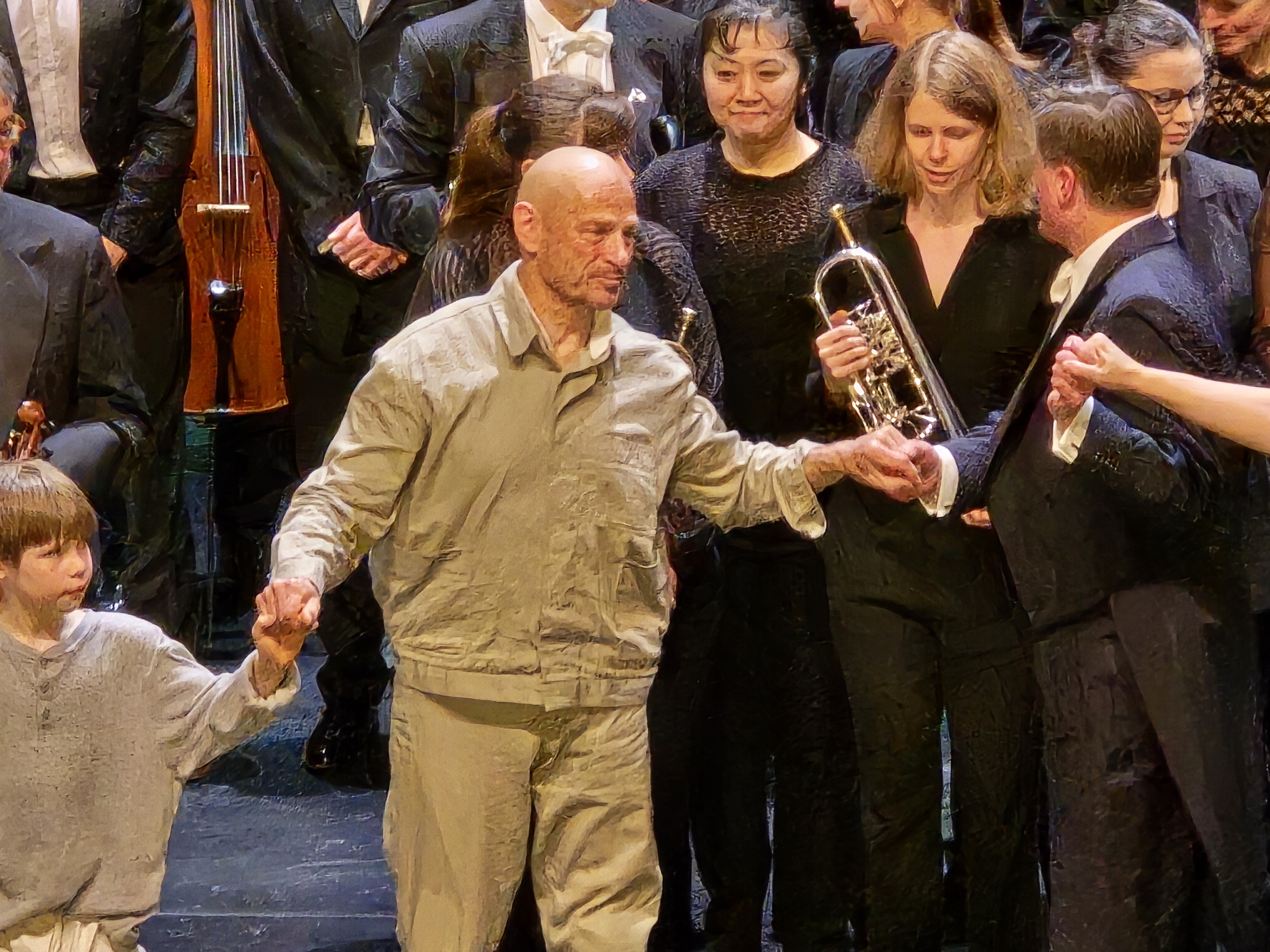
Berlin 14.12.2025 ©SK Info
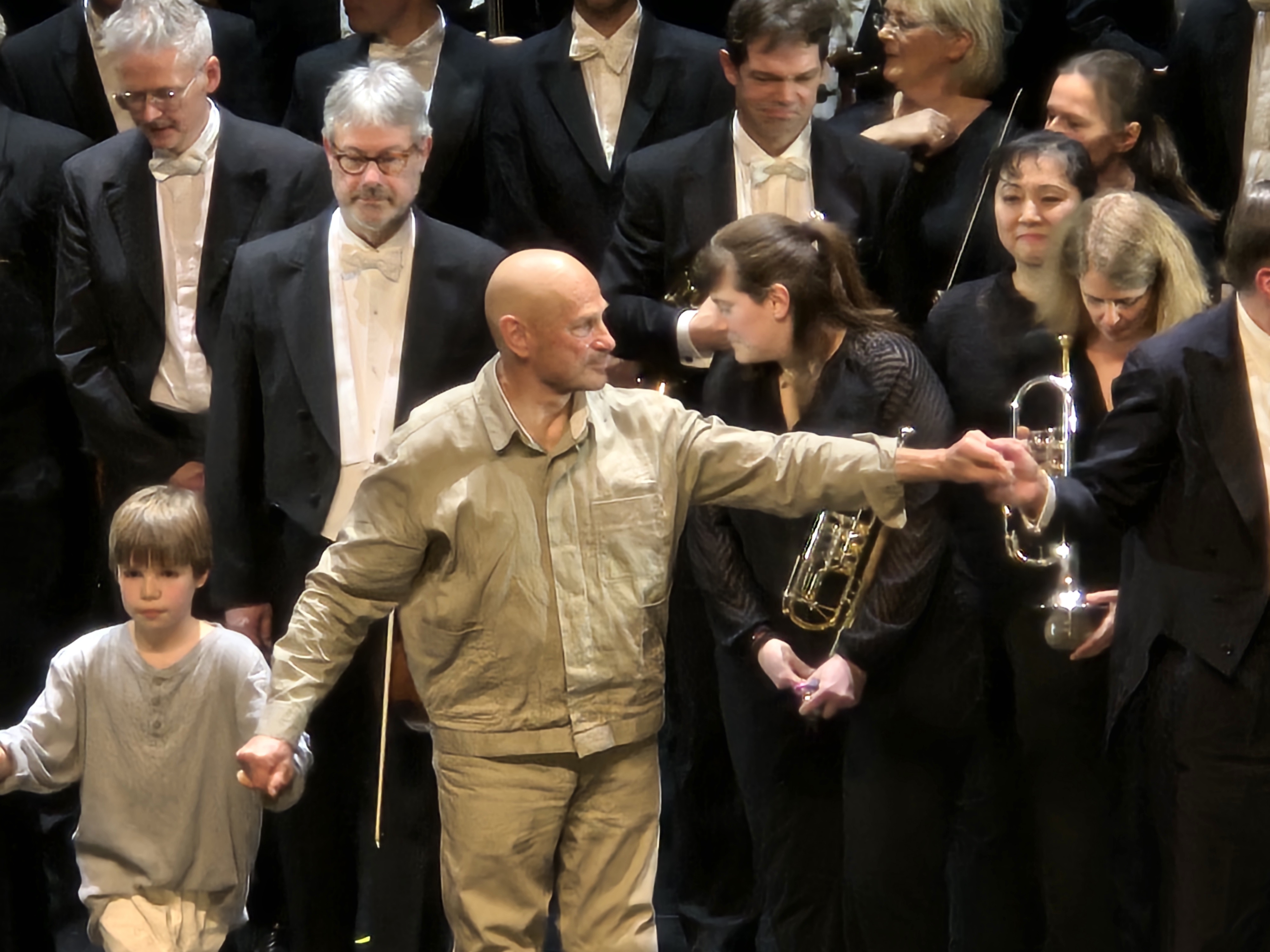
Berlin 14.12.2025 ©SK Info
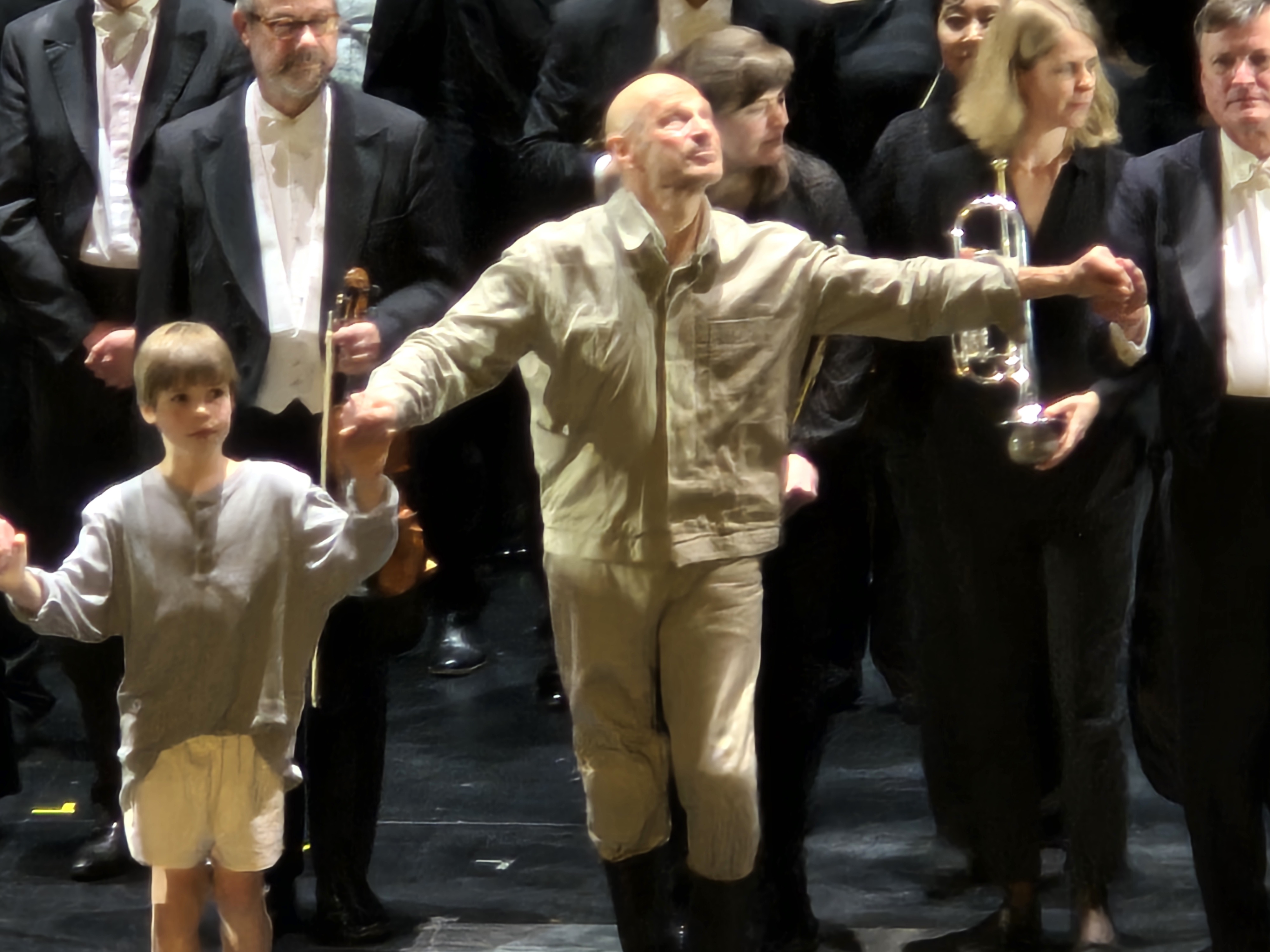
Berlin 14.12.2025 ©SK Info
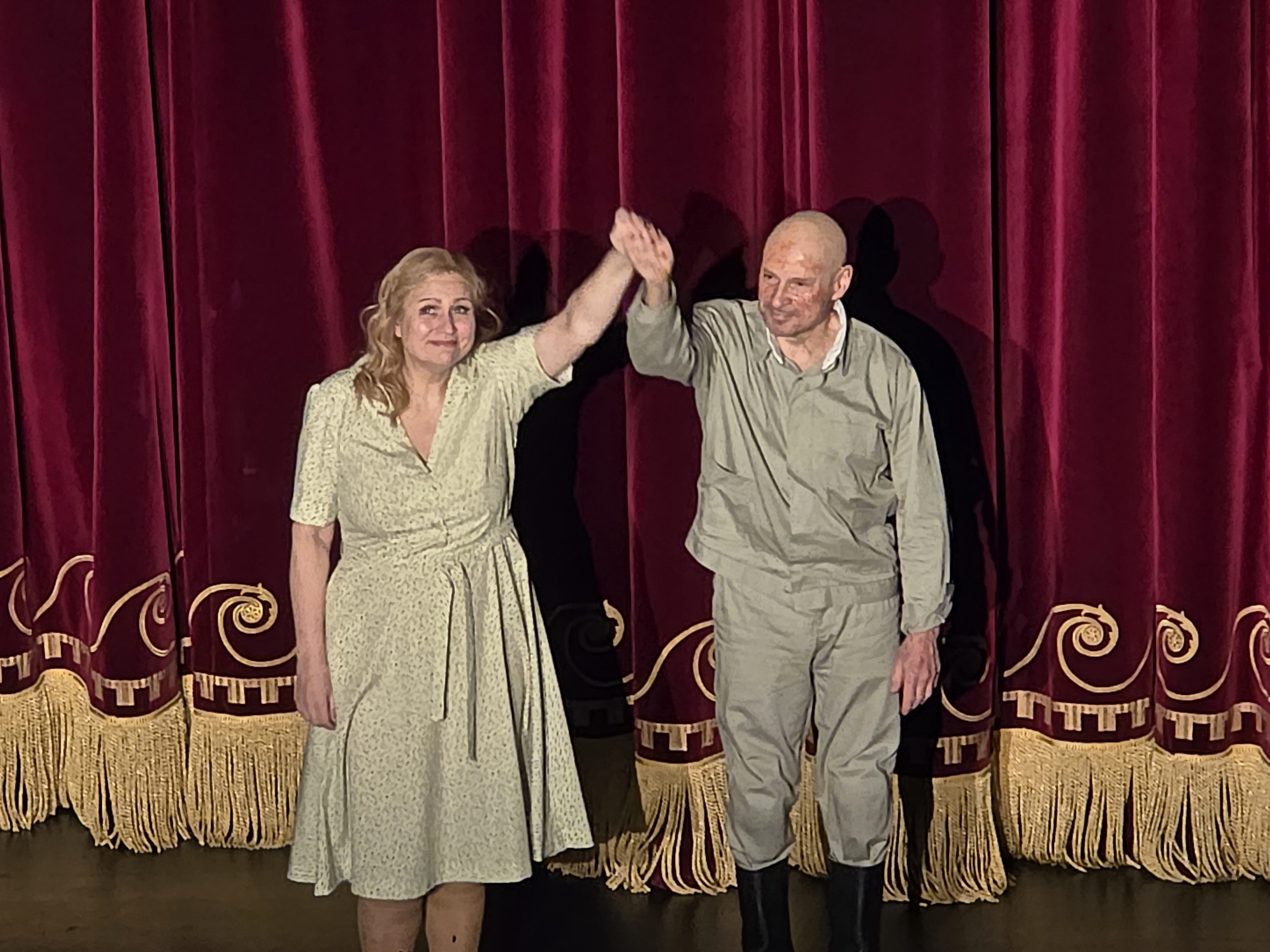
Berlin 14.12.2025 ©SK Info
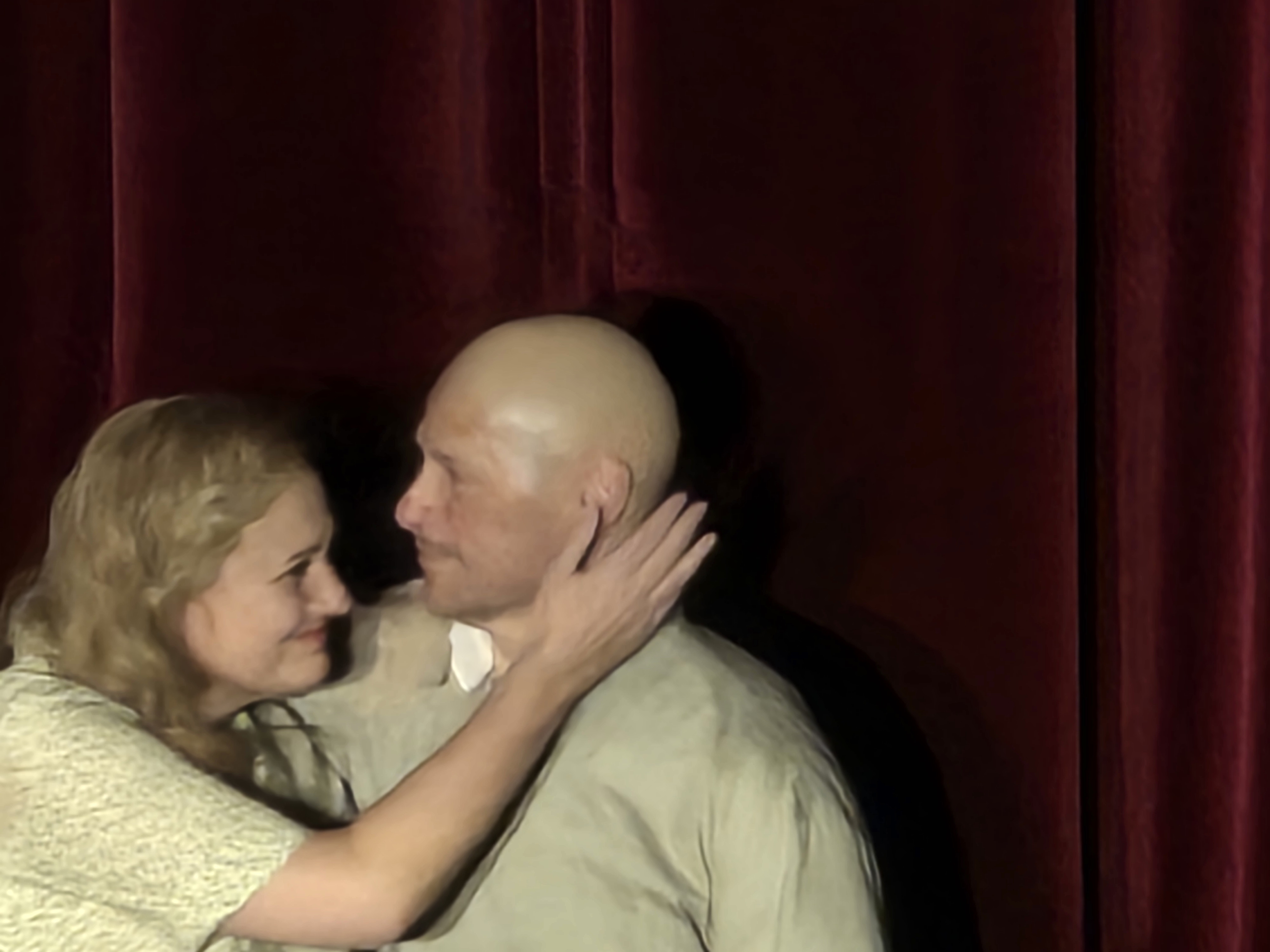
Berlin 14.12.2025 ©SK Info
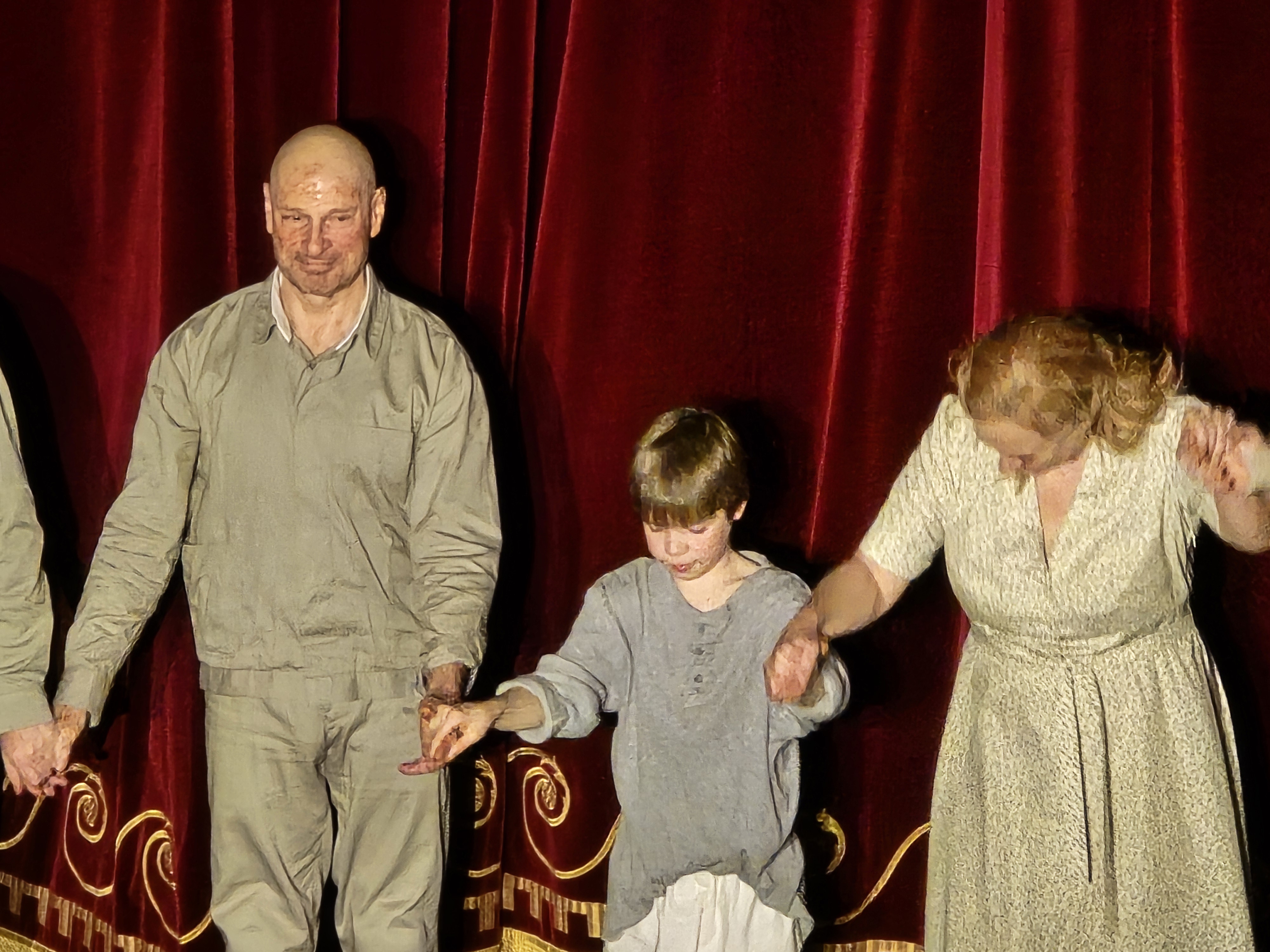
Berlin 14.12.2025 ©SK Info
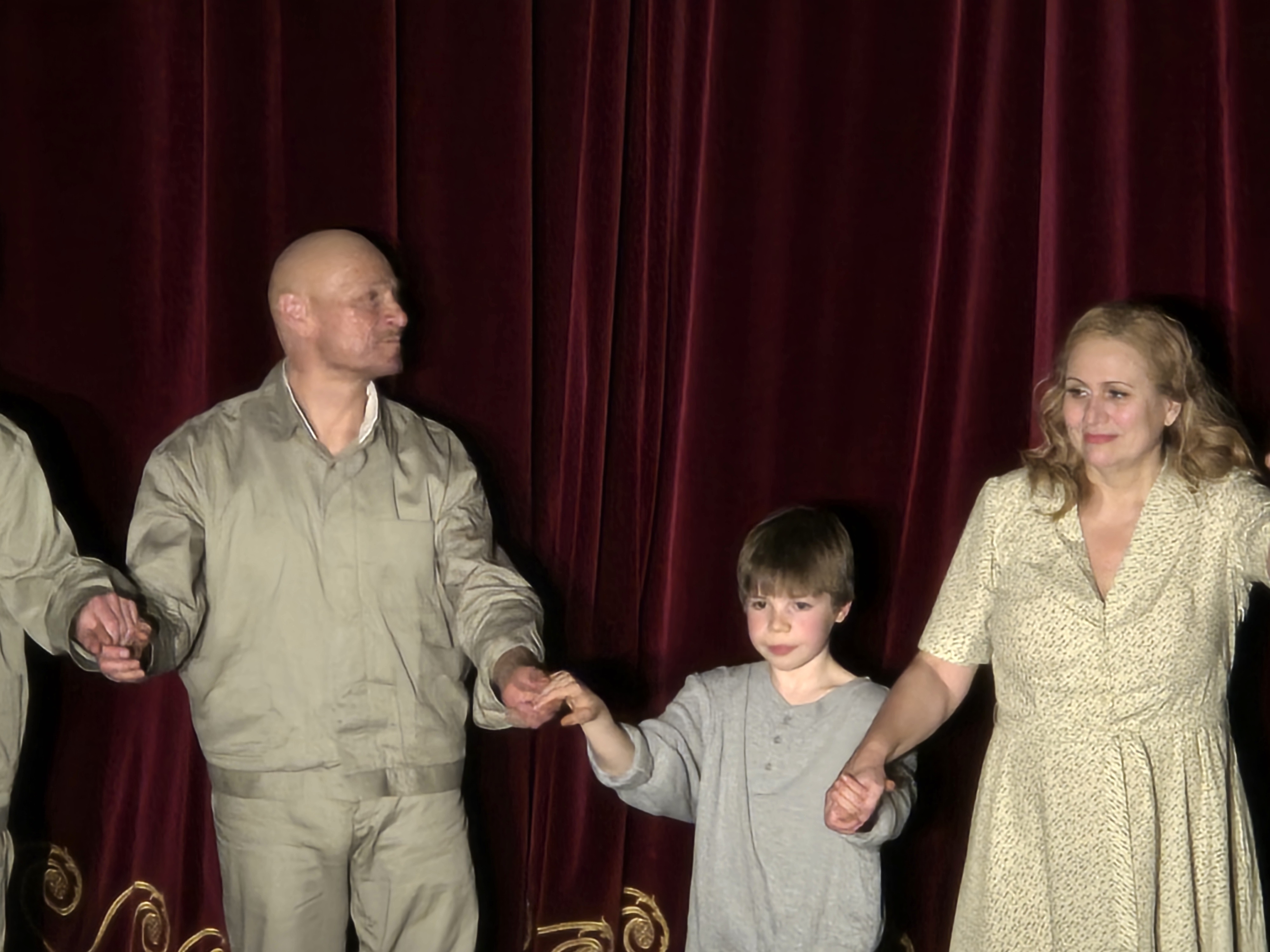
Berlin 14.12.2025 ©SK Info
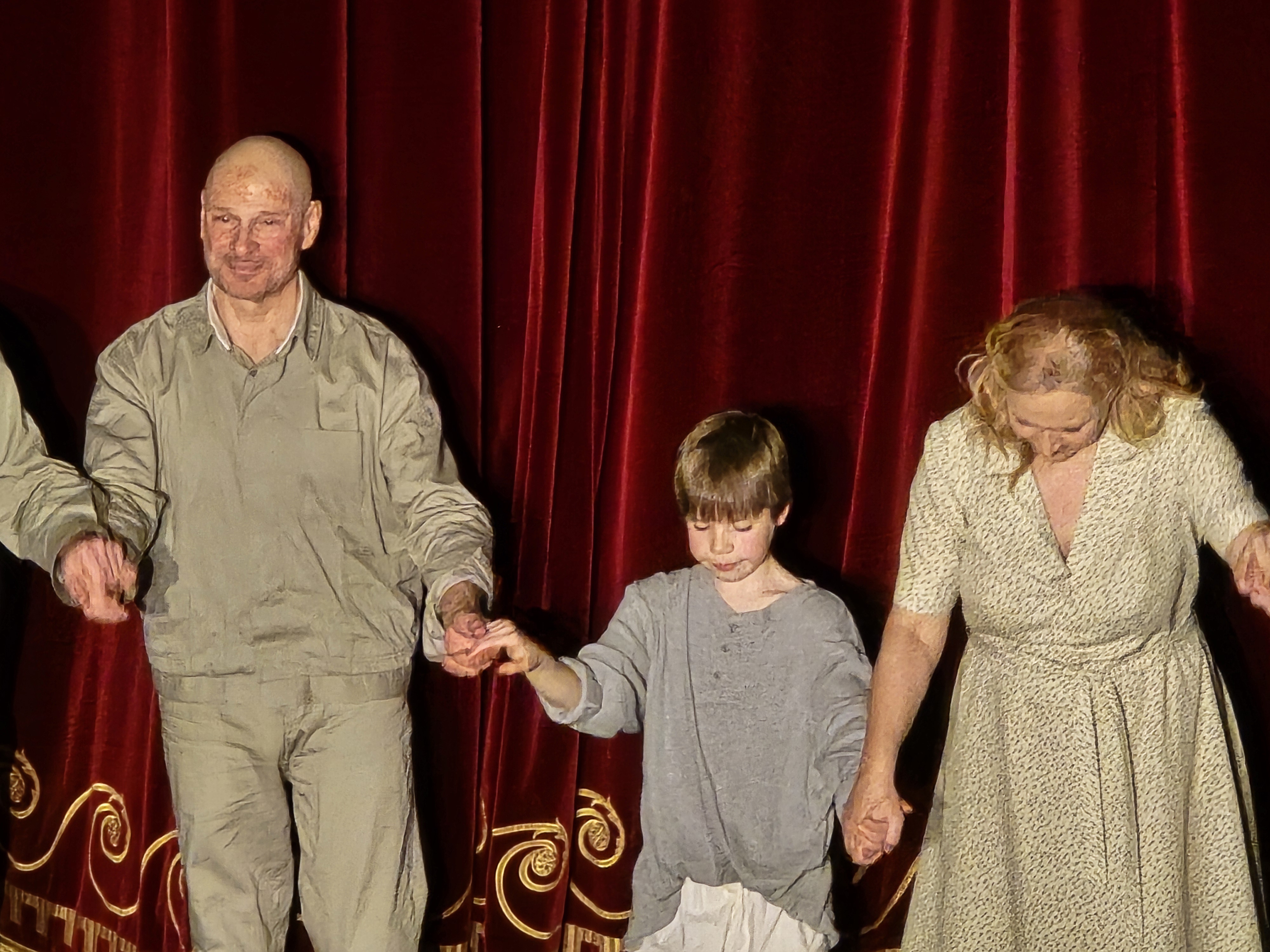
Berlin 14.12.2025 ©SK Info
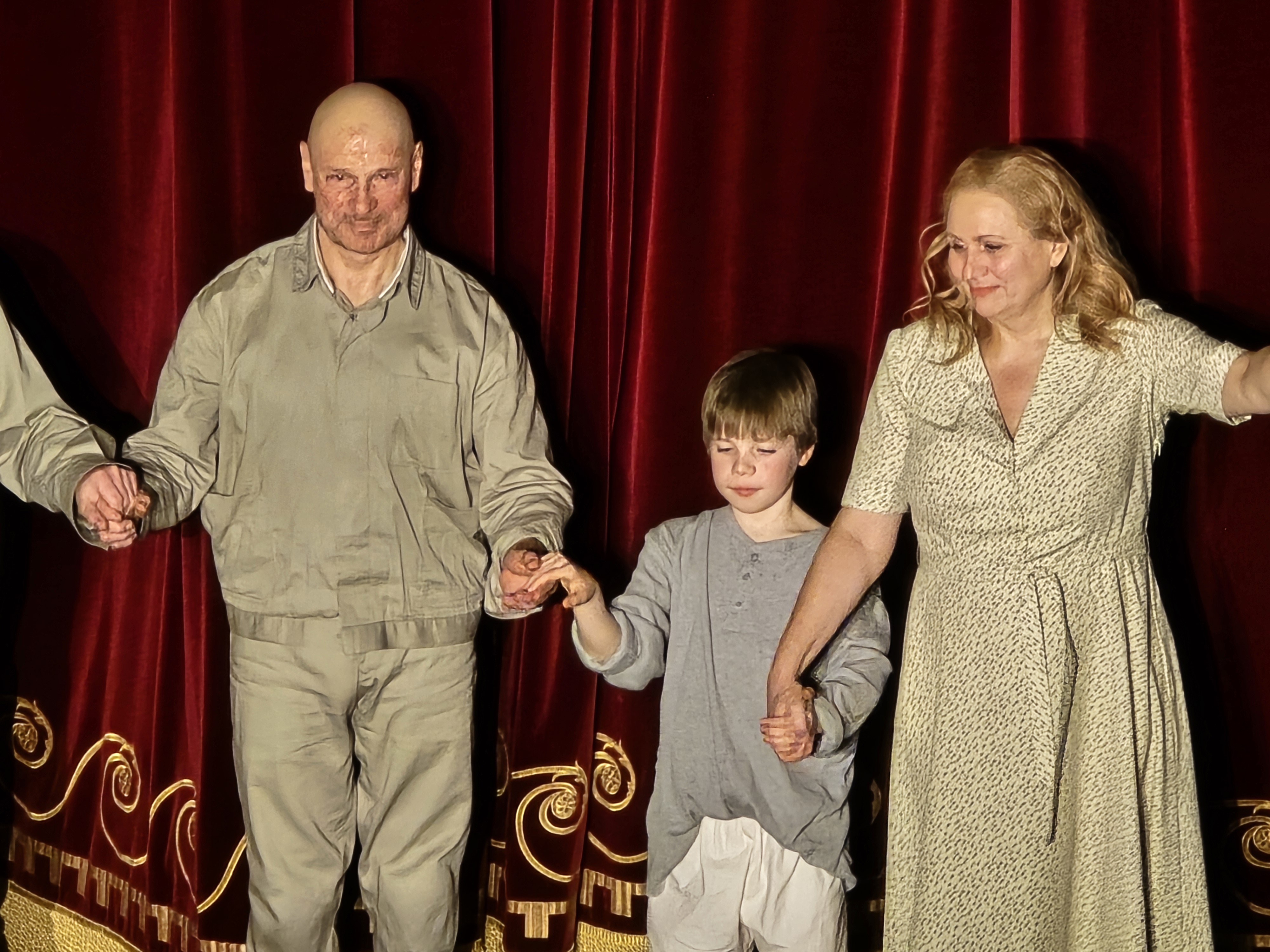
Berlin 14.12.2025 ©SK Info
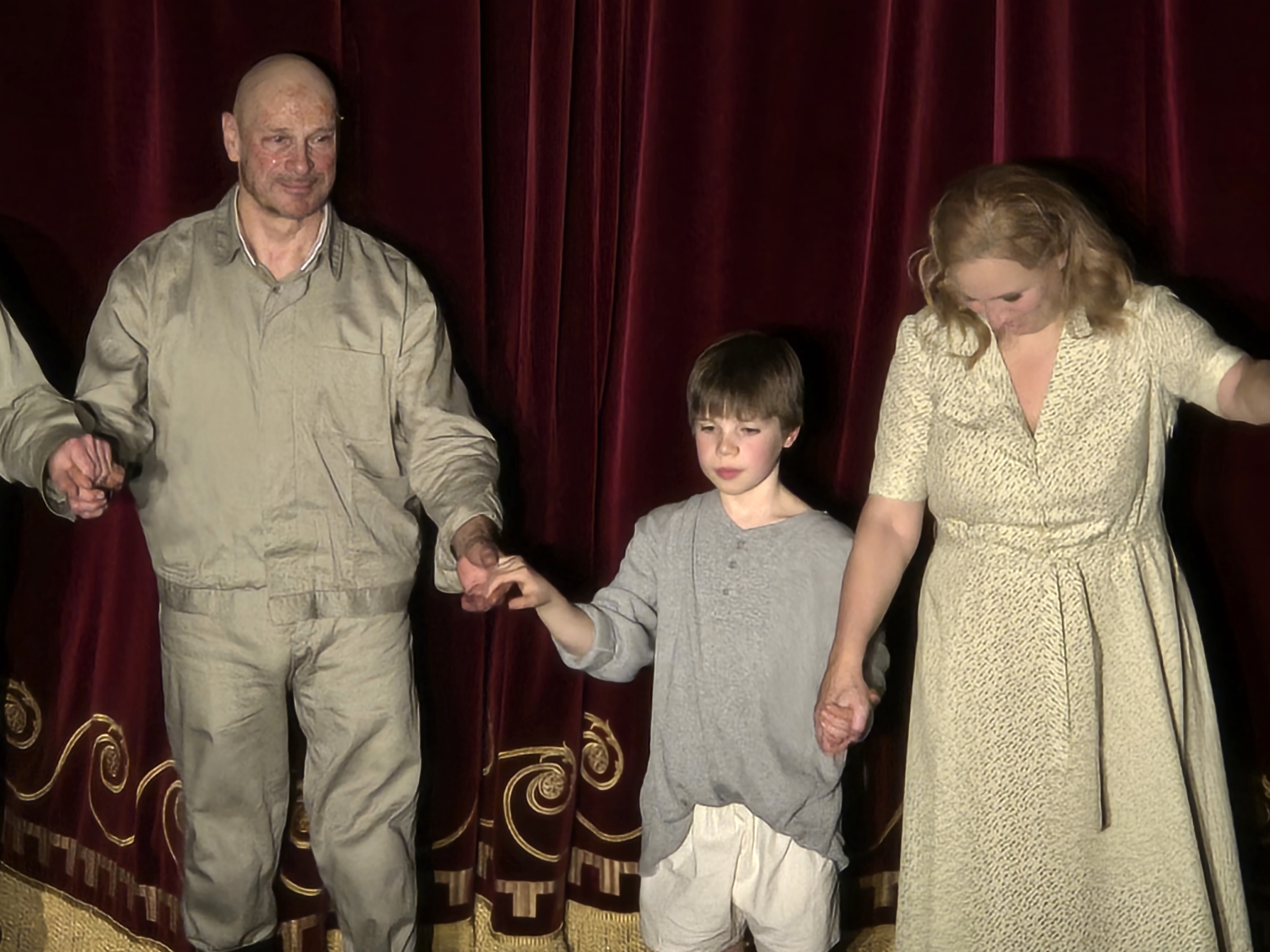
Berlin 14.12.2025 ©SK Info
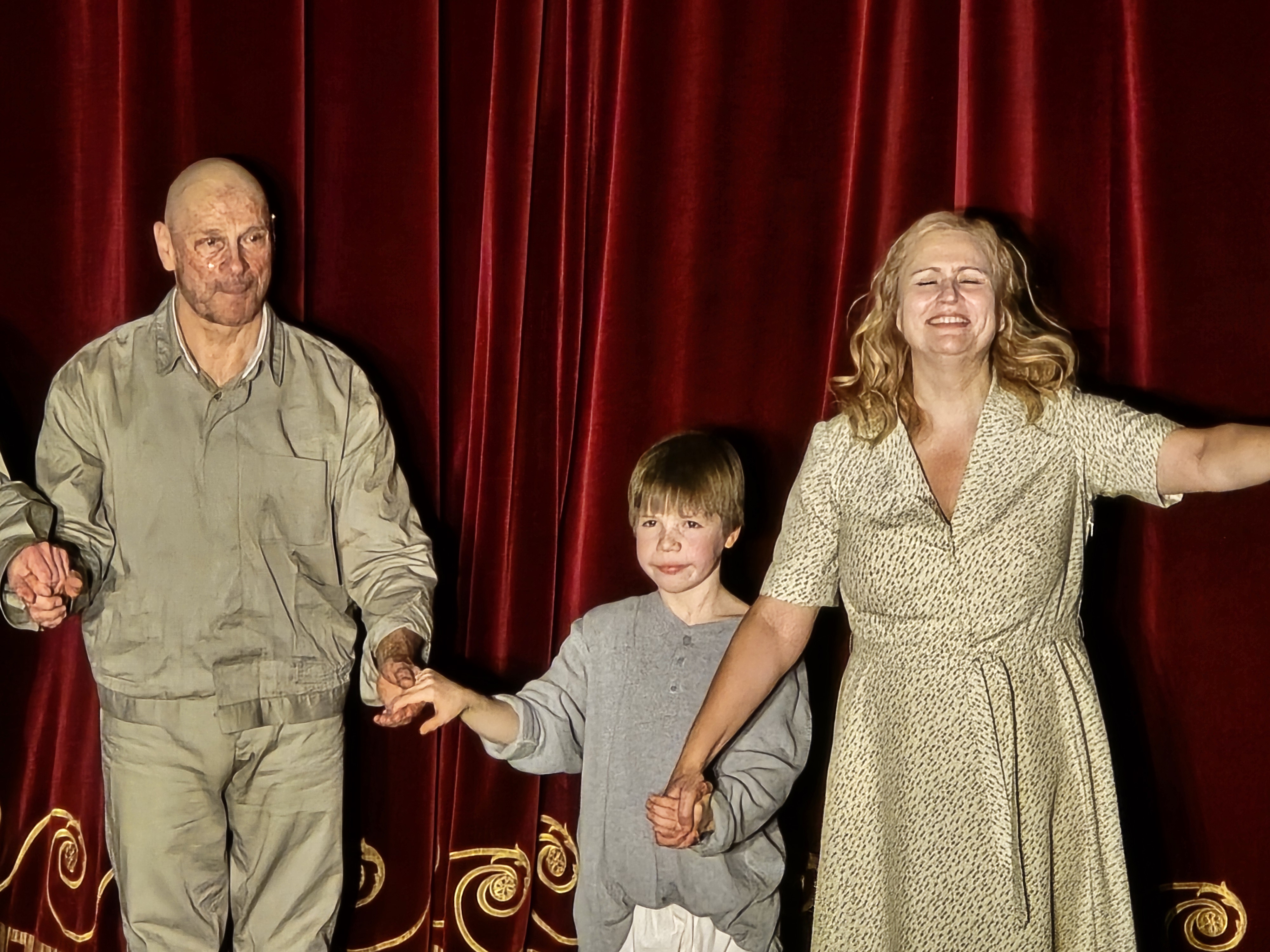
Berlin 14.12.2025 ©SK Info
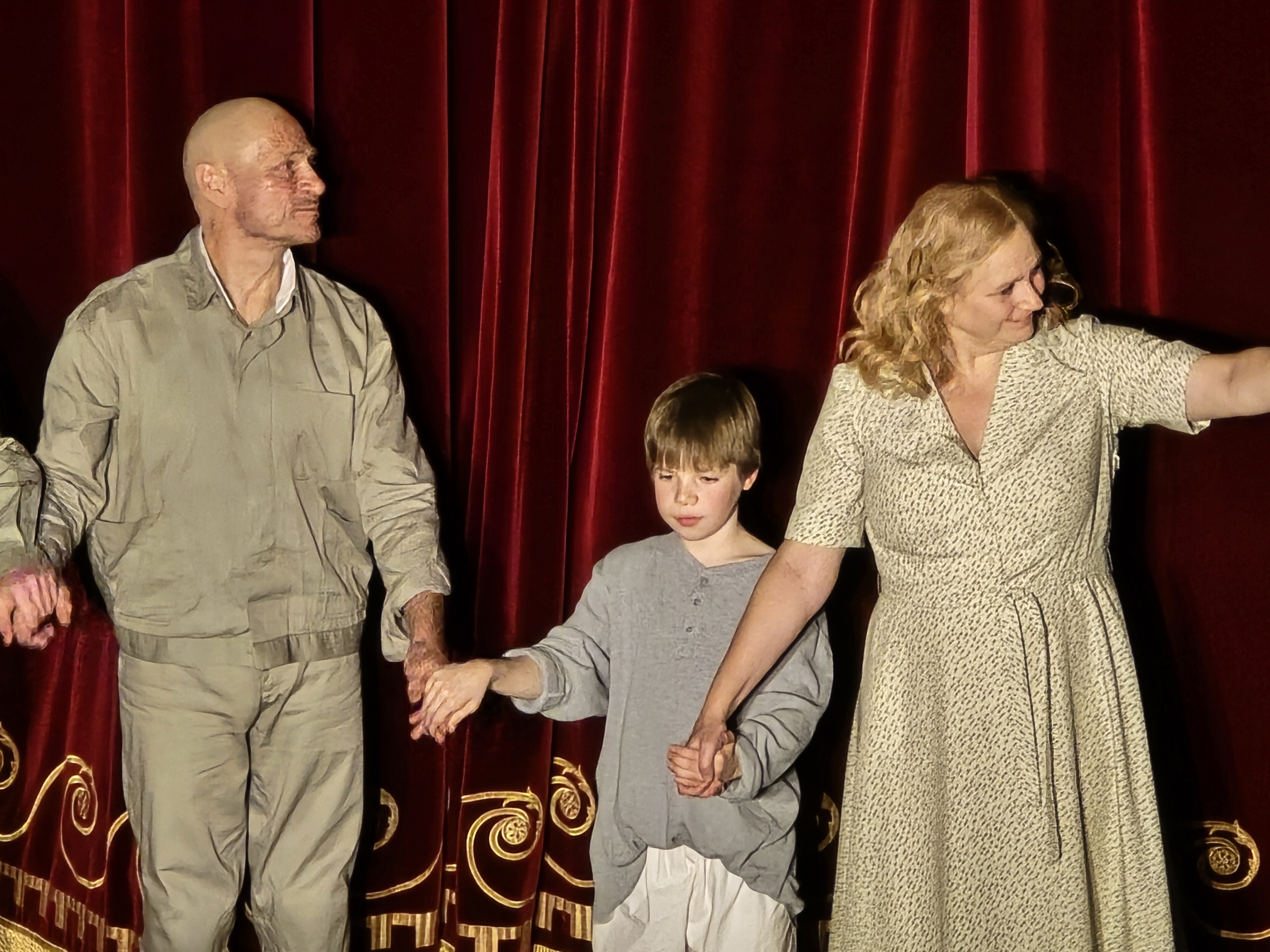
Berlin 14.12.2025 ©SK Info
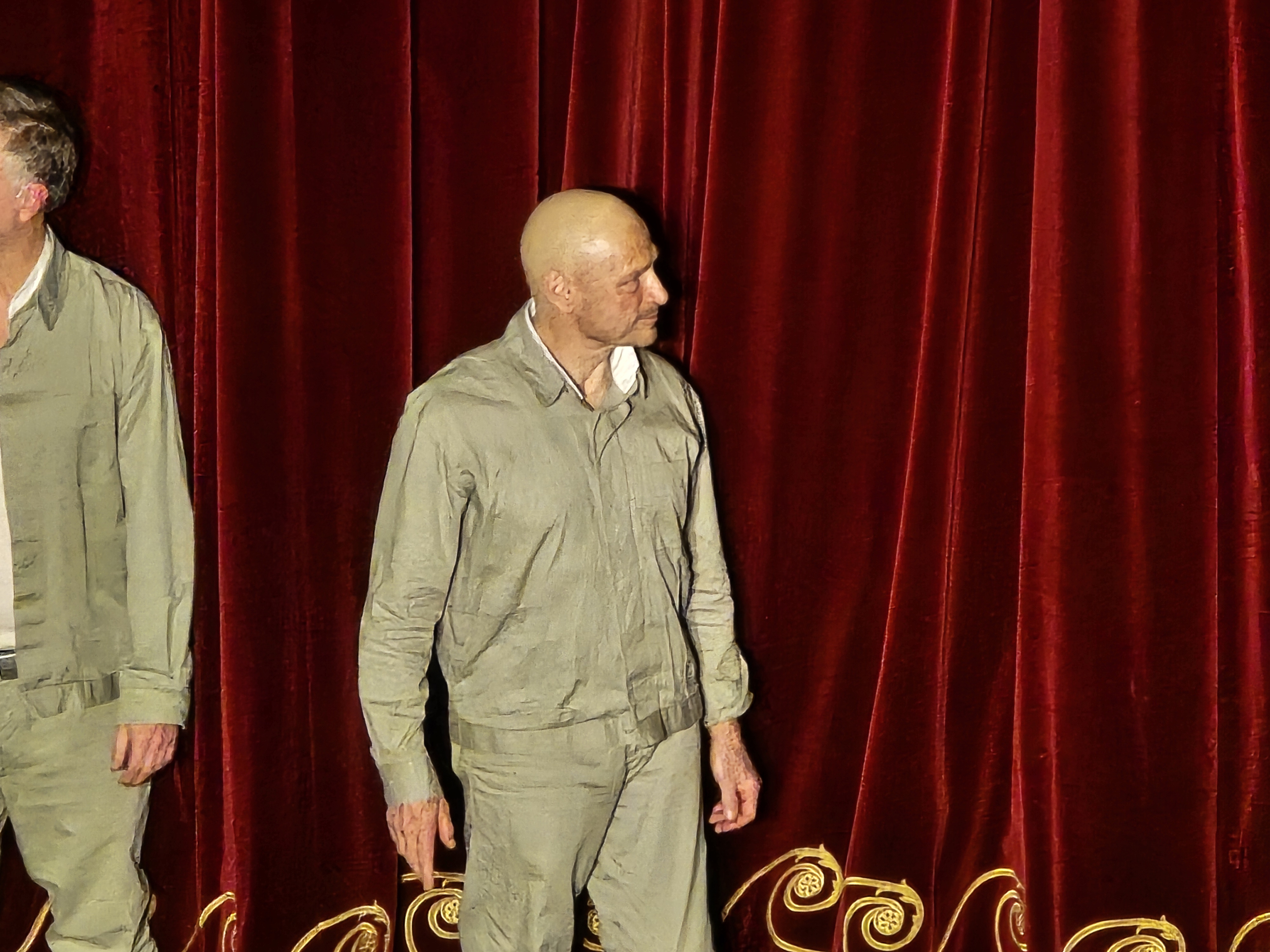
Berlin 14.12.2025 ©SK Info
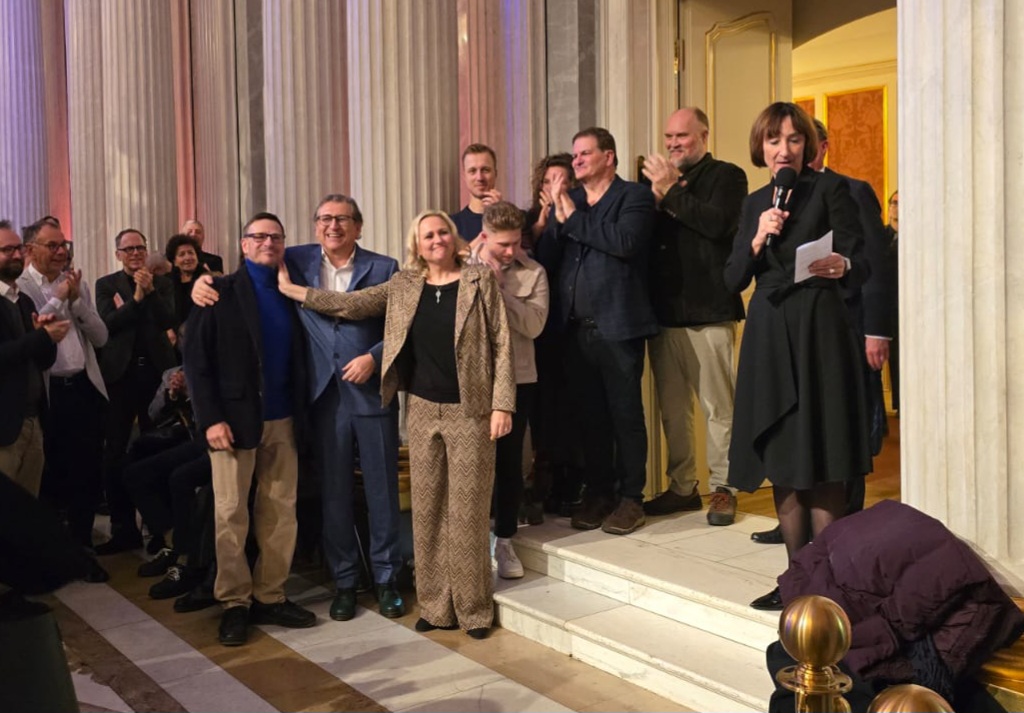
Post show Reception ©SK Info
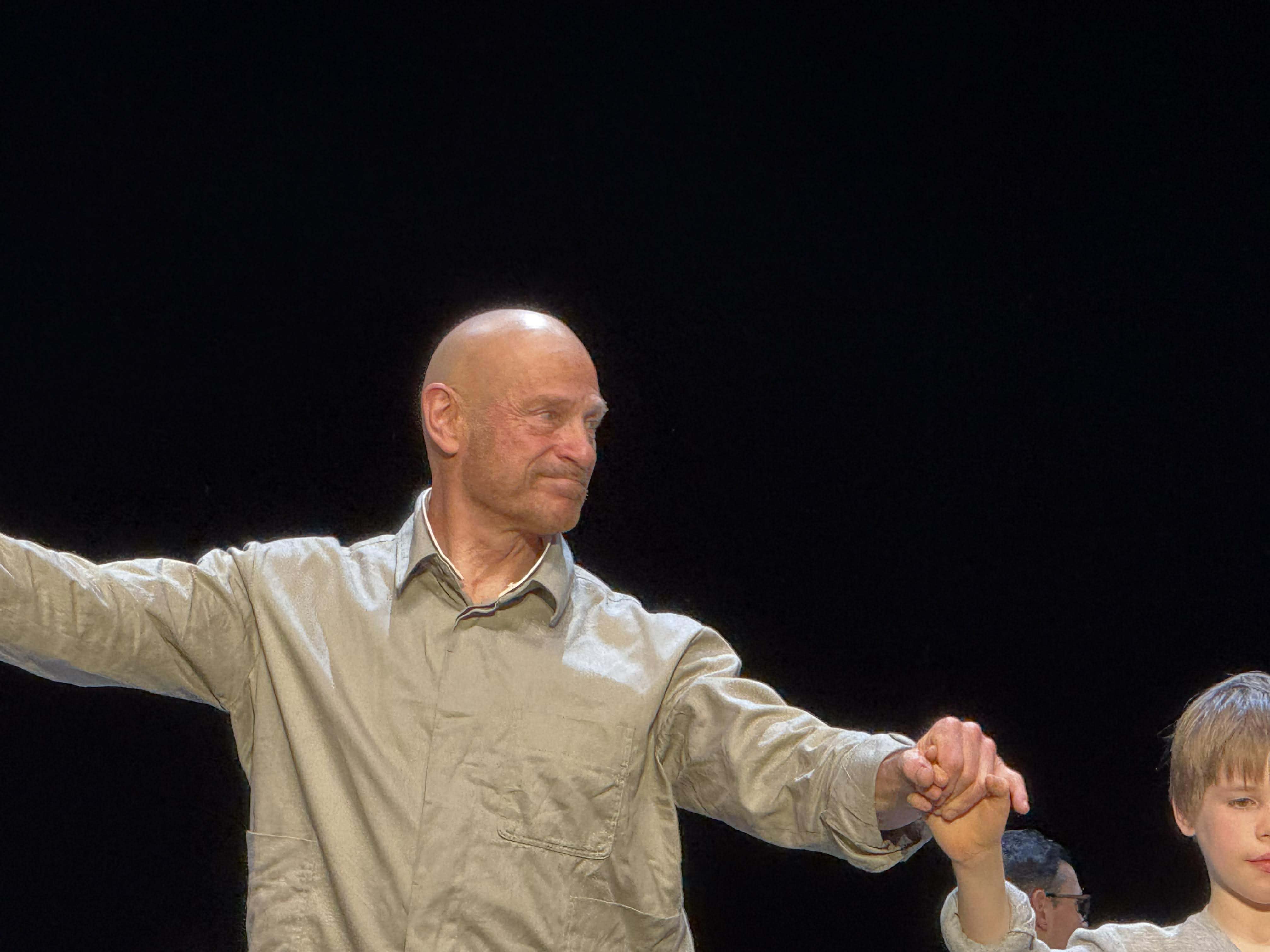
Berlin 18.12.2025 ©SK Info
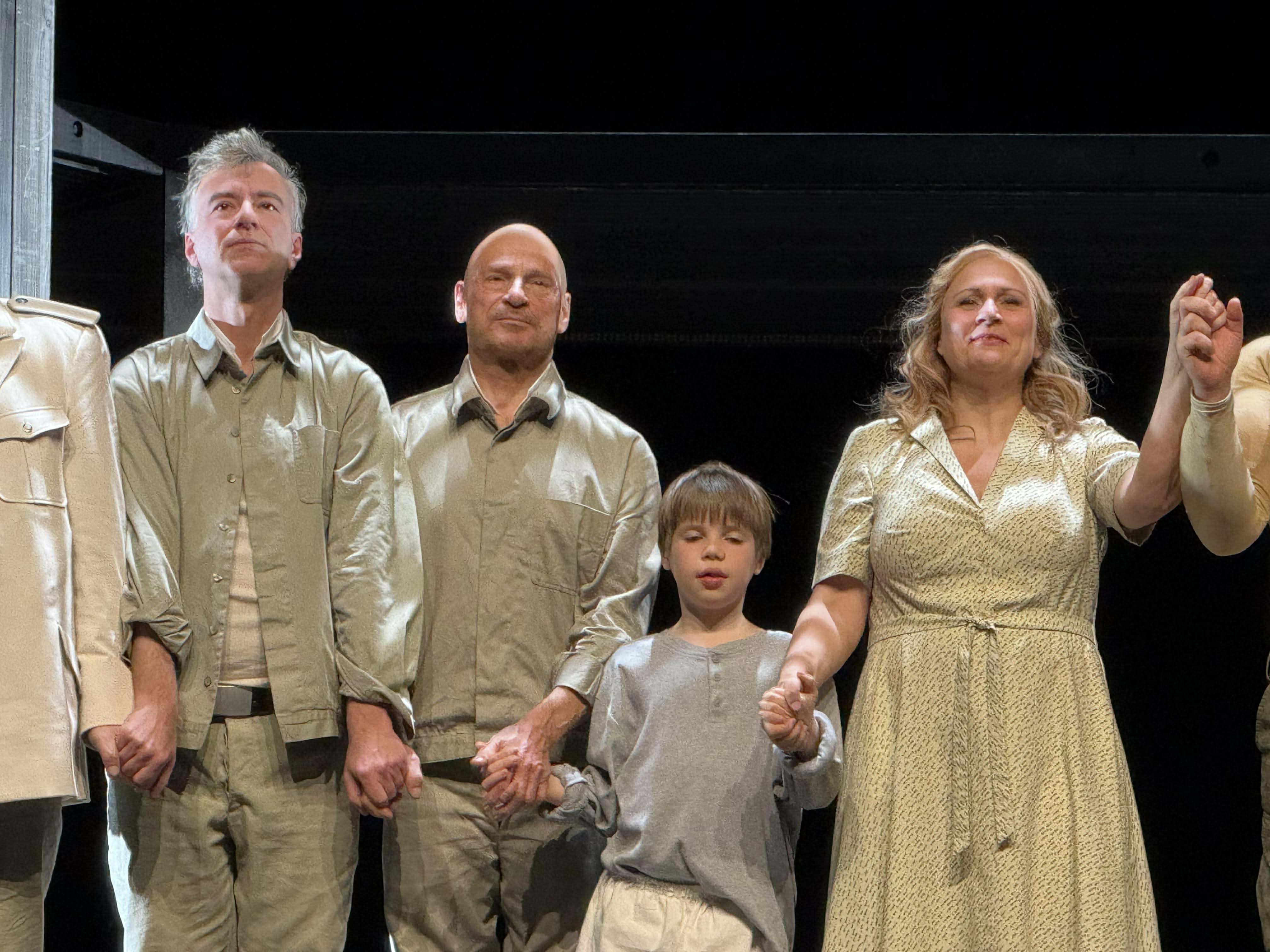
Berlin 18.12.2025 ©SK Info
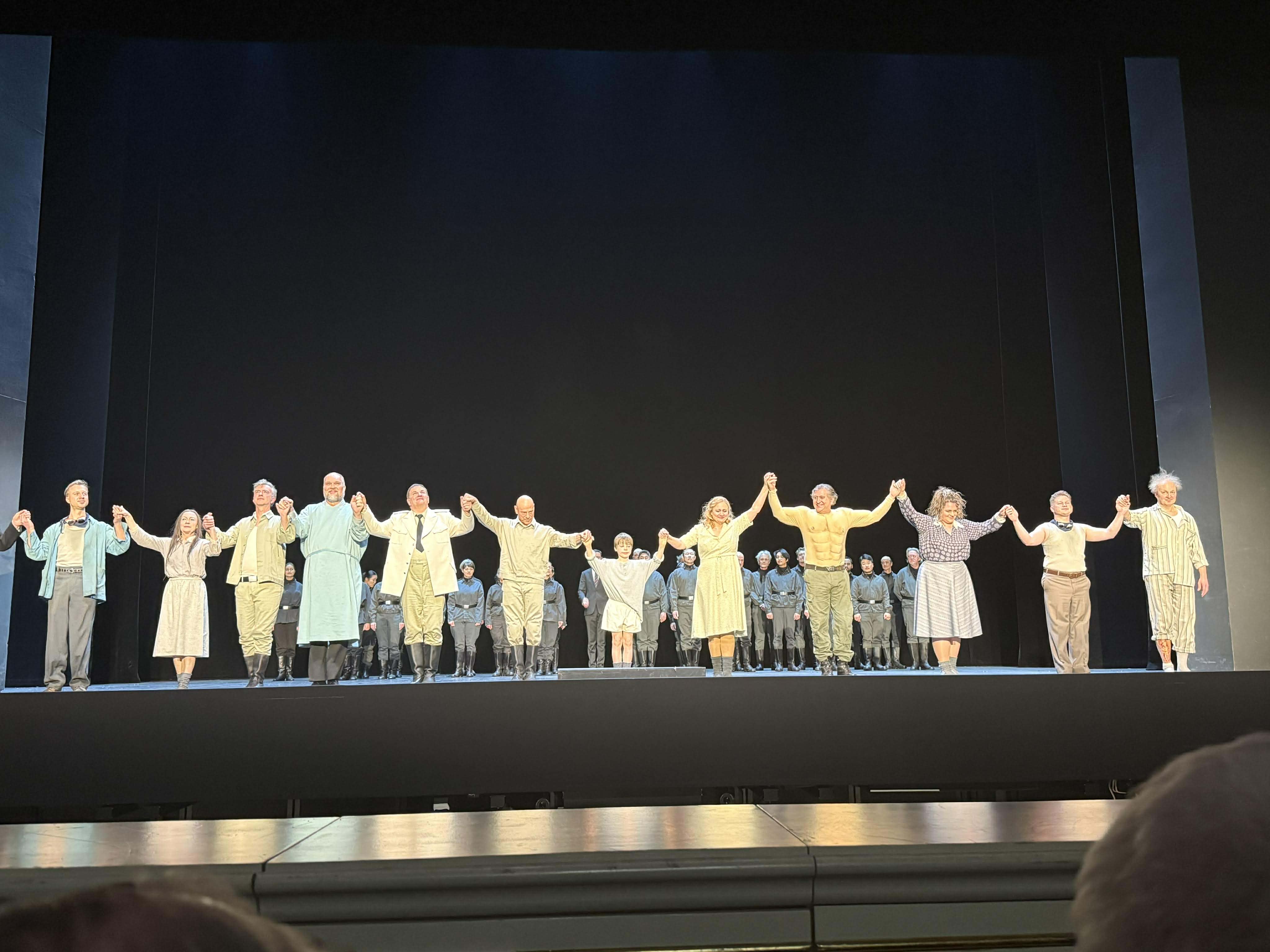
Berlin 18.12.2025 ©SK Info